THE PANDA DISTRICT • HOME OF PANDA1NATION • ELEVATING INDIE ARTISTS • POSITIVITY AND NEGATIVITY DON'T AGREE • THE PANDA DISTRICT • HOME OF PANDA1NATION • ELEVATING INDIE ARTISTS • POSITIVITY AND NEGATIVITY DON'T AGREE •
11Tracks in rotation
2INDIEPRINT issues in print
5Playbook chapters deep
100%Independent — no labels
No algorithm. No middleman.
The Drop List
New music, new issues, new opportunities — straight to your inbox and your phone before the timeline even sees it. This is how the Nation moves: direct.
One tap in. First dibs on District Radio drops, INDIEPRINT covers, and submission windows. We push perfection — and we push it to our people first.
The Panda Code
Stand on what you carry.
It ain't just a name. It's a standard for every artist, dreamer, and builder making noise without losing who they are.
PANDA
Positivity And Negativity Don't Agree.
No fluff. Just game.
Street Intel
Short, punchy plays for indie artists — straight from the block.
Own The Work
Save your stems, your sessions, and your split sheets. Your catalog is your retirement plan — treat it like money.
Show The Grind
Behind-the-scenes content is free marketing. Film the grind: the writing, the mixing, the missed takes. People invest in journeys.
Document It
Post the process, not just the product. Studio sessions and writing breakdowns build fans; finished songs just get scrolled past.
Real People
Reply to EVERY comment for your first 1,000 fans. Those conversations become your street team.
Stay Moving
Consistency beats talent when talent won't post. Three quality drops a week will outrun one perfect song a year.
Metadata
Your metadata is your manager's resume — tag genre, mood, and instruments clean or playlists will never find you.
Seven Seconds
The hook is the handshake. If it don't grab in 7 seconds, the scroll wins. Lead with the strongest part.
Build Together
Collab sideways, not just up. Artists at your level today are the headliners of tomorrow — grow together.
Rep your city
Fan Shout Wall
The District ain't just Drizzy — it's everybody tapped in. Drop your city and one line. Best shouts get stamped on the wall for the whole Nation to see.
Your city. Your words. On the wall in the District. Drizzy reads every single one.
Live on the wall
Shouts from the Nation
Real fans, real cities, real energy. Nothing fake gets past the gate.
Drop yours
Leave your mark.
Name or handle, your city, and one line that reps where you're from and why you're locked in. Keep it real, keep it clean, keep it you.
Panda1Nation on the dial
District Radio
Drizzy Panda on the decks. Eleven independent records. No label in the room.
On AirVirtual broadcast · live from the District
District
On AirLive From The District
On Air
District Radio
Now Playing
Ceilings
Track 01 · Drizzy Da Panda & The 1Nation Choir
0:002:35
Tap play to start the station.
If the custom buttons are blocked in an in-app browser, use the player above or open this track directly.
Blast this track:
You on the boards
District Beat Pad
Tap the pads. Stack the drums. Make the room shake — all live in your browser.
Channel Faders
Pads armed. Tap one and build.
Call the hotline
The Request Line
Voice hotline dropping soon.
Requests are open right now. Name the record. Drop the shout. Drizzy got the board.
Step into the booth
District Studio
Catch the idea while it's hot. Record a take with your device microphone, play it back, then download the file.
Recording
Live input
Take 01
Lay it down.
Ready when you are. Your browser will ask for microphone access.
Got the take? Download it, then send your recording through the Submit Music form.
Built for the independent
More than a platform.
Panda1Nation is a movement powered by mentorship, motivation, radio, and a real belief in indie artists.
Drizzy PandaFounder · Panda1Nation
Who is Drizzy Panda?
The voice behind the nation.
Drizzy Panda founded Panda1Nation to give independent talent something too many artists never get: a real stage, real support, and a reason to keep pushing when the room gets quiet.
This work lives where culture meets purpose. On the mic, in the community, and behind every spotlight, the mission stays the same — elevate the artist, sharpen the message, and build something that lasts longer than the moment.
Youth Mentor
Motivational Speaker
On Air Radio Personality / Producer
Three languages. One mission.
SpanishEnglishFrench
Wherever the message lands, it carries the same energy: independent does not mean invisible. Panda1Nation is here to amplify the work and make room for the next voice up.
“Give indie talent a real stage — then turn the volume all the way up.”
Why Panda1Nation exists
Maximum exposure. Real game. Without the labels.
The mentor builds belief. The speaker turns belief into motion. The radio producer puts that motion on the air. It all feeds the same machine: artists heard by more people, paid what they're owed, and moving without gatekeepers.
Artists, this is your lane
Send In The Heat
No labels. No gatekeepers. Just exposure and game. Singles, EPs, albums, and music videos from independent artists. No sign-in required. Just bring the work.
SinglesEPsAlbumsMusic Videos
No gatekeeping
Ask Drizzy
Real answers for indie artists. No gatekeeping.
Three moves
How it works
01
Hit the form
Drop the track, your artist details, and everything the team needs to hear the vision.
02
We review
Every complete submission gets reviewed by the Panda1Nation team. Bring your strongest work.
03
Earn the spotlight
Selected tracks are considered for features, INDIEPRINT, and Panda1Nation social drops.
Get Seen
Exposure
Panda1Nation spotlights, INDIEPRINT features, and social drops put strong independent work in front of more people.
Get Sharp
Game
The Playbook, Street Intel, and Ask Drizzy bring the knowledge straight from the source — no middlemen, no labels.
Stay right here
Submit without leaving
Use the embedded form below. If it does not load on your device, open the full form in a new tab.
The full INDIEPRINT run on one wall — newest drop first. Pick an issue and get into it.
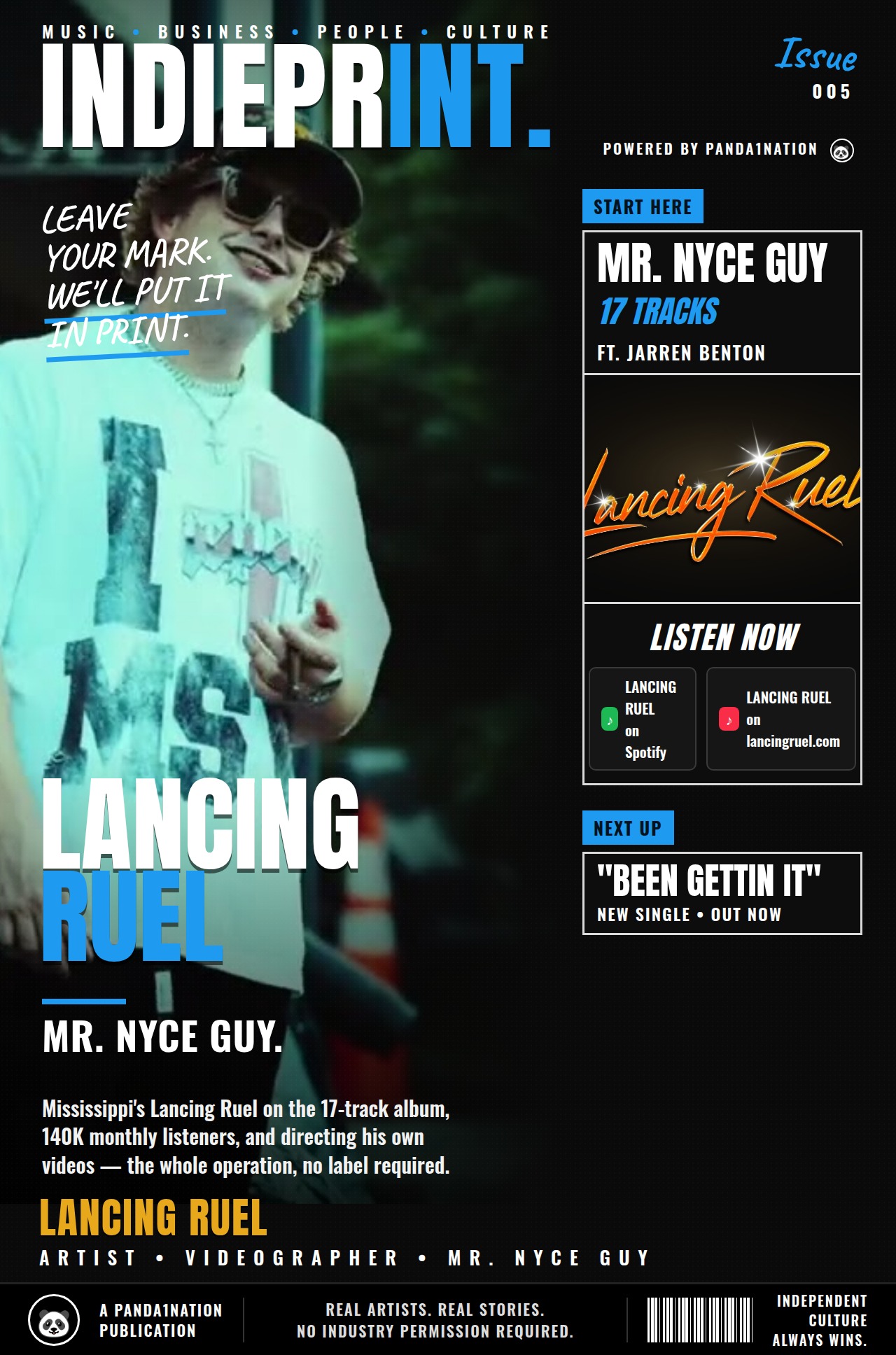
Issue 005
Issue 005Cover Story
Lancing Ruel
The Whole Operation
Diamondhead, Mississippi’s artist-videographer built the album, the visuals, and the business himself — 17 tracks, nearly 140K monthly listeners, and no label required.
Blast this issue:
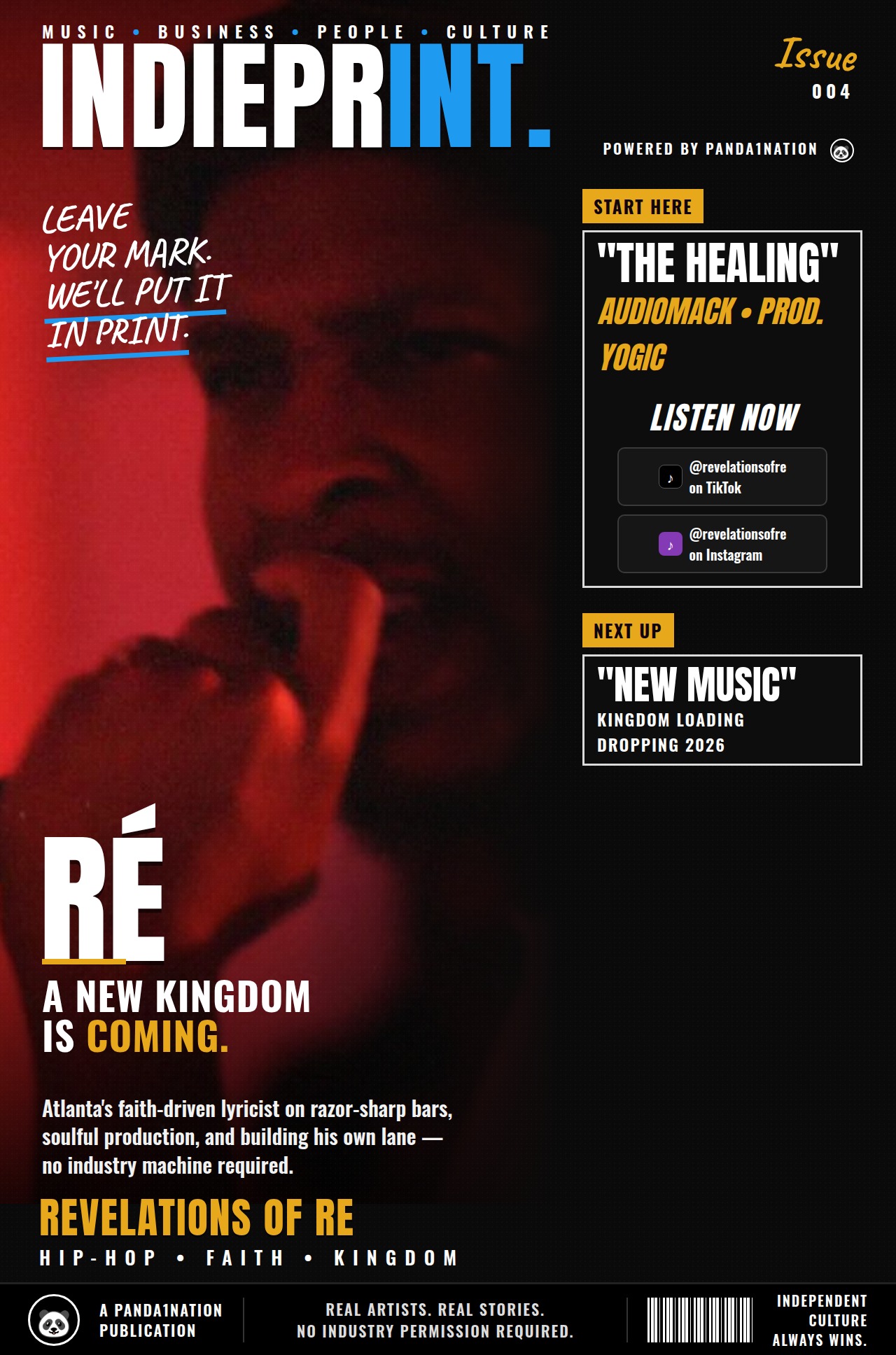
Issue 004
Issue 004Cover Story
RÉ
A New Kingdom Is Coming
Atlanta’s faith-grounded lyricist is building a movement with razor-sharp bars and soulful production — on his own terms, without the industry machine.
Blast this issue:
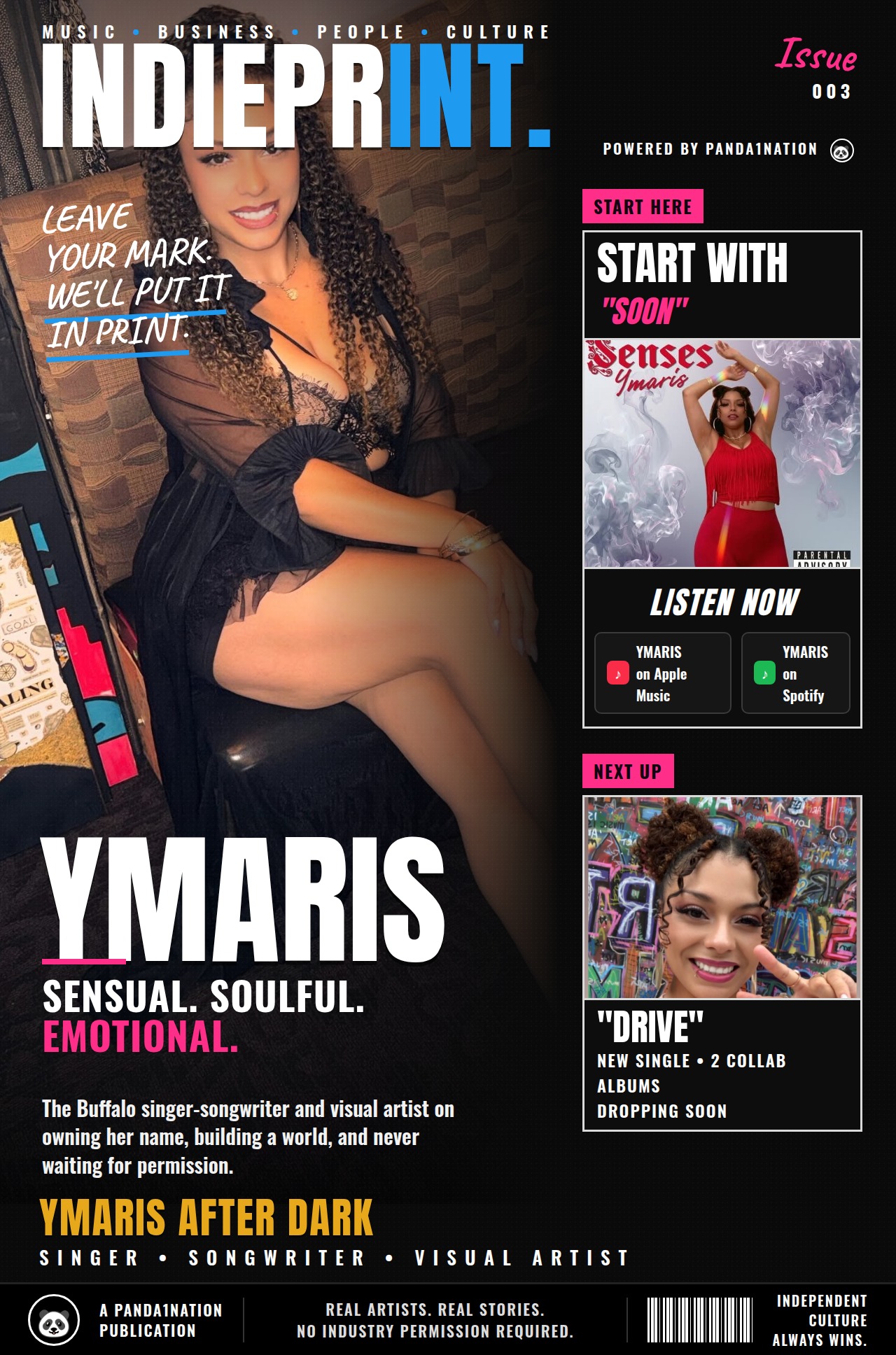
Issue 003
Issue 003Cover Story
Ymaris
Sensual. Soulful. Emotional.
The Buffalo singer-songwriter and visual artist on owning her name, building a whole world across music and art, and never waiting for anybody’s permission.
Blast this issue:
New Issue
Issue 002Cover Story
Dazzie Dee
Knowing Your Sound Is Your Sound
The West Coast legend on betting on himself, producing his own legacy as Big Saccs, and 30+ years of never chasing a trend.
Blast this issue:
Debut Issue
Issue 001Cover Story
Yella Lacedd
Building More Than Artists
The GoodFellaz Entertainment CEO, originally from Muskegon, Michigan, is shaping talent into brands — and ambition into legacy.
Professional reporting on the moves reshaping independent music — from ownership and technology to the artists building outside the major-label system.
Latest Edition
Seven stories moving the culture
Music Business
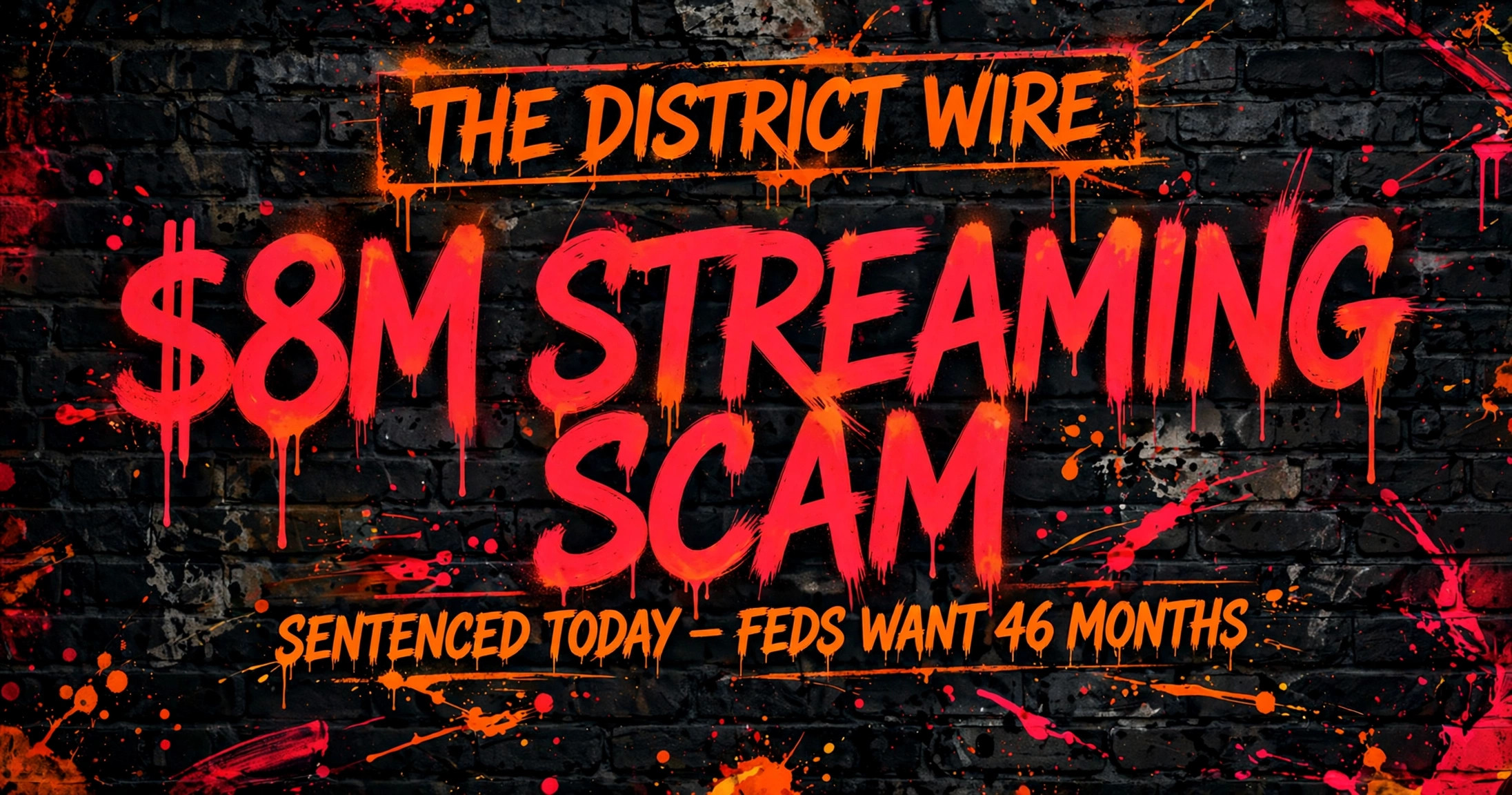
The $8 Million Streaming Fraudster Faces the Judge Today
Michael Smith turned AI-generated songs and bot armies into the biggest streaming heist in music history. This morning, a Manhattan federal court decides what it costs him.
+
District Wire · October 6, 2026
Michael Smith turned AI-generated songs and bot armies into the biggest streaming heist in music history. This morning, a Manhattan federal court decides what it costs him.
For more than six years, Michael Smith ran what federal prosecutors call a "massive fraud" on the streaming economy — and today, October 6, 2026, he faces sentencing in Manhattan federal court.
The North Carolina man's scheme was brazen in its simplicity: use artificial intelligence to generate thousands of fake songs attributed to invented artists, then unleash an army of bot accounts to stream those tracks billions of times across Apple Music, Spotify, Amazon Music, and YouTube Music. Because the major platforms pay royalties out of pooled, subscription-funded pots, every fraudulent stream siphoned money directly away from legitimate artists and rightsholders. Prosecutors say Smith pocketed more than $8 million in unearned royalties — and as part of his guilty plea, he agreed to forfeit $8,091,843.64.
The scale is difficult to overstate. In April 2023, prosecutors noted, Taylor Swift's entire catalog drew 9.3 million streams from YouTube Music family-plan subscribers. Smith's catalog of AI-generated tracks drew 80.9 million from that same pool.
The sentencing positions are starkly divided. The U.S. Attorney's Office for the Southern District of New York, through Assistant U.S. Attorneys Nicholas W. Chiuchiolo and Kevin B. Mead, asked Judge John G. Koeltl for "a substantial term of imprisonment of at least 46 months" — the bottom of the 46-to-57-month federal guidelines range, with a five-year statutory maximum on the conspiracy charge. Smith's attorneys, Noell P. Tin and Justine Harris, asked for probation with no prison time, arguing he initially believed his conduct was lawful and sought advice from an experienced music lawyer. The federal probation office split the difference, recommending 24 months.
The case has drawn an extraordinary show of industry unity: Spotify, DistroKid, UnitedMasters, EMPIRE, Merlin, and Meta signed a joint letter urging the court to impose a strong sentence — a rare moment with the platforms and the distributors standing shoulder to shoulder.
Described by prosecutors as the first U.S. criminal case involving artificially inflated music streaming of this kind, the outcome will set the tone for how the justice system treats royalty fraud in the AI era. For independent artists, who already earn fractions of a cent per stream, the case is personal: every bot stream was money pulled from a real musician's pocket.
This is a developing story. The District Wire will update this article when the sentence is announced.
The District Wire · Panda1Nation
Album Watch
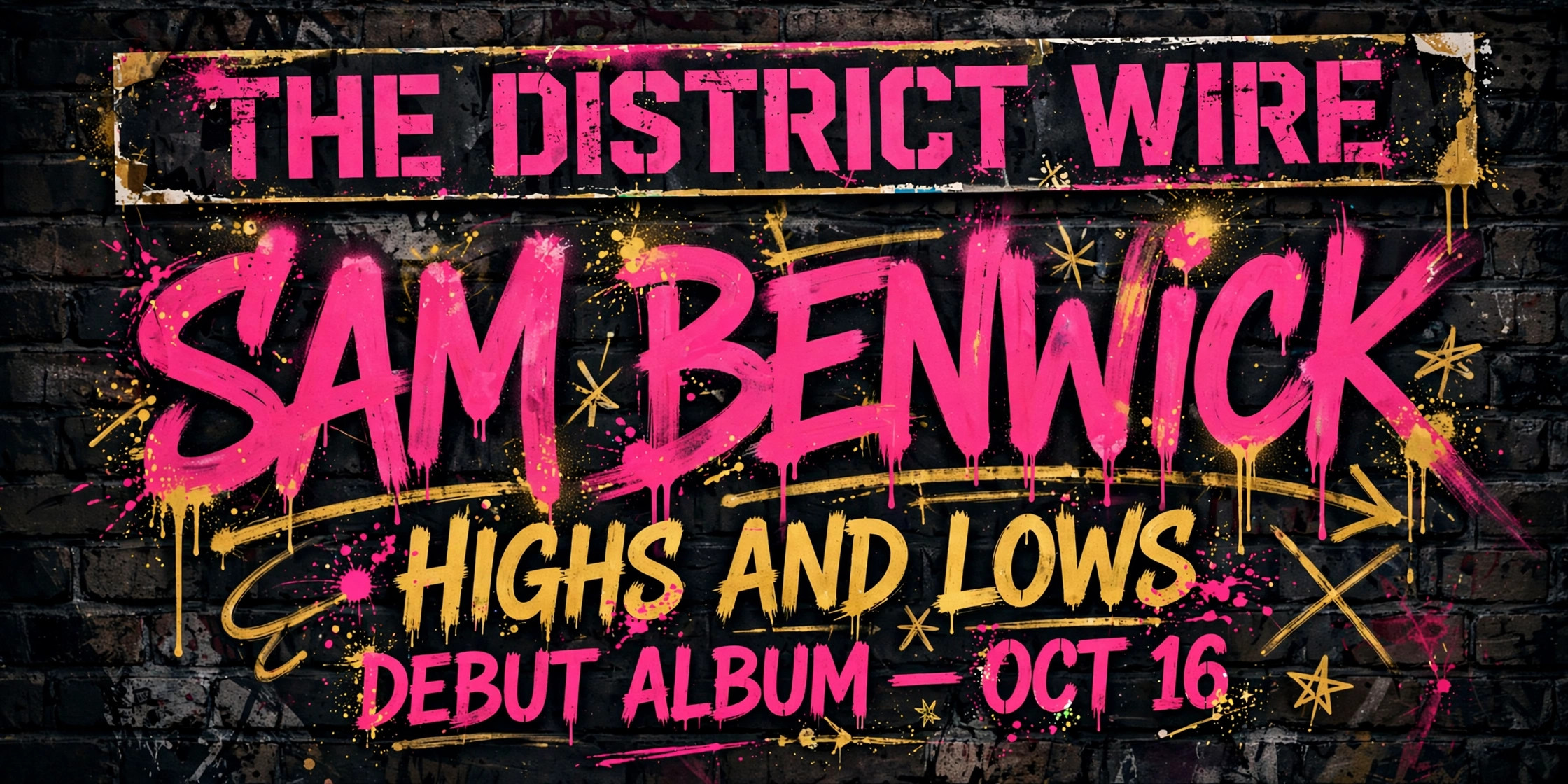
Sam Benwick's 'HIGHS and lows': From Covers to a 15-Track Debut
The Filipino-British singer-songwriter built a global audience on intimate covers. On October 16, she bets on herself with an independently produced debut album.
+
District Wire · October 6, 2026
The Filipino-British singer-songwriter built a global audience on intimate covers. On October 16, she bets on herself with an independently produced debut album.
Sam Benwick is done introducing herself through other people's songs. The Filipino-British singer-songwriter, who captivated listeners worldwide with delicate, intimate covers of global pop hits, will release her debut album HIGHS and lows on Friday, October 16, 2026 — a 15-track collection of original songs that marks the start of a new era.
Independently produced with distribution support from ONErpm, the album will arrive on all major digital music platforms worldwide. According to the announcement, HIGHS and lows offers an unguarded look into the experiences of a young woman finding her way through life, brimming with stripped-down pop sensibilities as Benwick traces her growth as a storyteller.
The record's binding threads are love in its many forms and the role of faith in shaping her perspective. She writes about the exhilaration of finding love and the hurt of encountering the wrong kind — treating love not as a solved equation but as an ongoing process of understanding what it can give, what it can take, and how it can change a person. The result is both a personal account and an open invitation for listeners to recognize pieces of their own stories within hers.
The album collects five previously released songs — "OUT OF THE DARKNESS," "told ya so," "FINALLY," "mr. nonchalant," and "STEP BY STEP" — alongside ten new tracks.
Benwick previewed the project at a by-invite listening party on October 3, 2026, at Concept Space MNL in Quezon City, joined by members of the press and The Samshines, her community of supporters, with a Q&A session on the stories behind the songs.
The arc is a familiar one in the independent era, and a powerful one: build the audience with covers, then convert that attention into original art on your own terms. No major-label machinery, no borrowed identity — just a songwriter stepping into her own voice, highs and lows included.
The District Wire · Panda1Nation
New Music
Tommy Lefroy's 'Vacuum' Is the Last Stop Before 'The Precariat'
Six years, five cities, two artists, one debut album. The indie duo's final single before October 23 is their most personal yet.
+
District Wire · October 6, 2026
Six years, five cities, two artists, one debut album. The indie duo's final single before October 23 is their most personal yet.
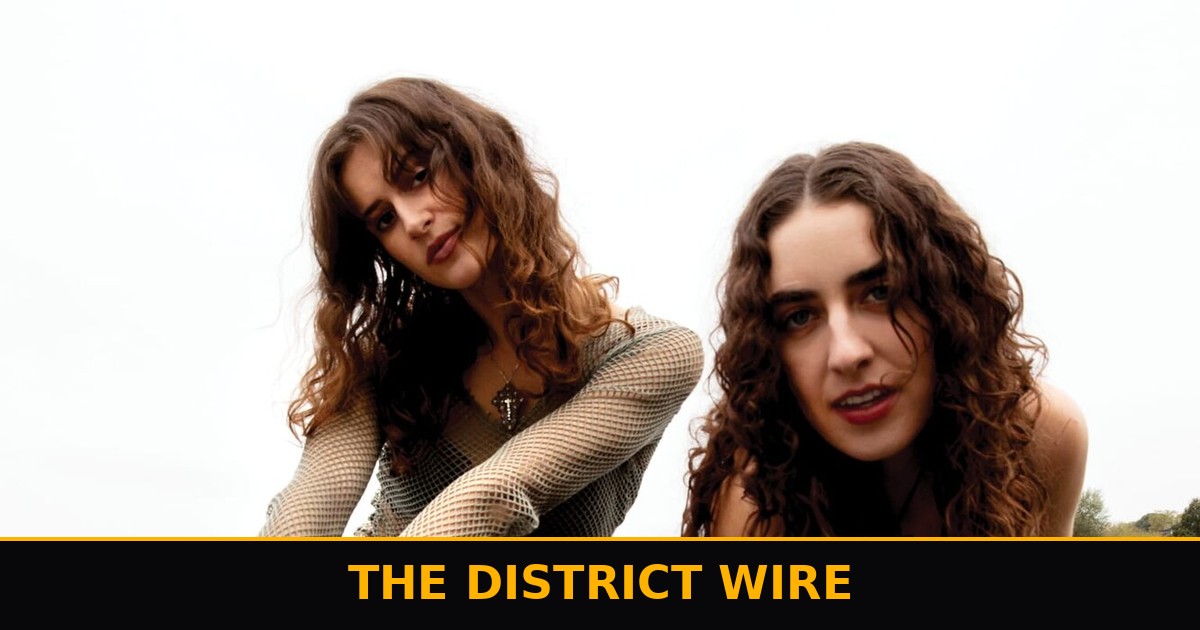
Indie rock duo Tommy Lefroy has shared "Vacuum," the final preview of their forthcoming debut album The Precariat, due October 23 via Thirty Tigers.
The single turns the lens inward. It reflects on band members Tessa Mouzourakis and Wynter Bethel's experience of launching the project in London — where they knew virtually no one outside of each other — and the pressure chamber that created. The song frames a relationship you stake your future on, like building "an empire in a vacuum." In the duo's own words, it's about the whirlwind of starting the band in London, feeling isolated and out of their depth at times, and giving everything to a pipe-dream project with no promise any of it would work — held together by a blind faith in each other.
That intimacy sets up the world of the album. The Precariat takes its title from the economic term for a growing class of people living with increasing instability and uncertainty, and examines what it means to come of age in an increasingly unpredictable world — ultimately landing on togetherness as the antidote to isolation.
The record was written over six years across Nashville, Los Angeles, Vancouver, Michigan, and London, drawing from literature, art, and history to connect larger cultural forces with the anxieties and contradictions of modern life. Previous singles trace that ambition: "Angel in the House," inspired by Virginia Woolf's landmark 1931 speech Professions for Women and the modern resurgence of trad-wife culture; the melancholic slow-burn "Thief"; and the sharp-edged, satirical summer anthem "Slush Puppy."
Six years is an eternity in the streaming era, where the algorithm rewards a single every six weeks. Tommy Lefroy chose the opposite: patience, craft, and belief — the independent artist's long game. The Precariat arrives October 23.
The District Wire · Panda1Nation
Viral
1.4 Million Streams, Zero Label, One Bedroom
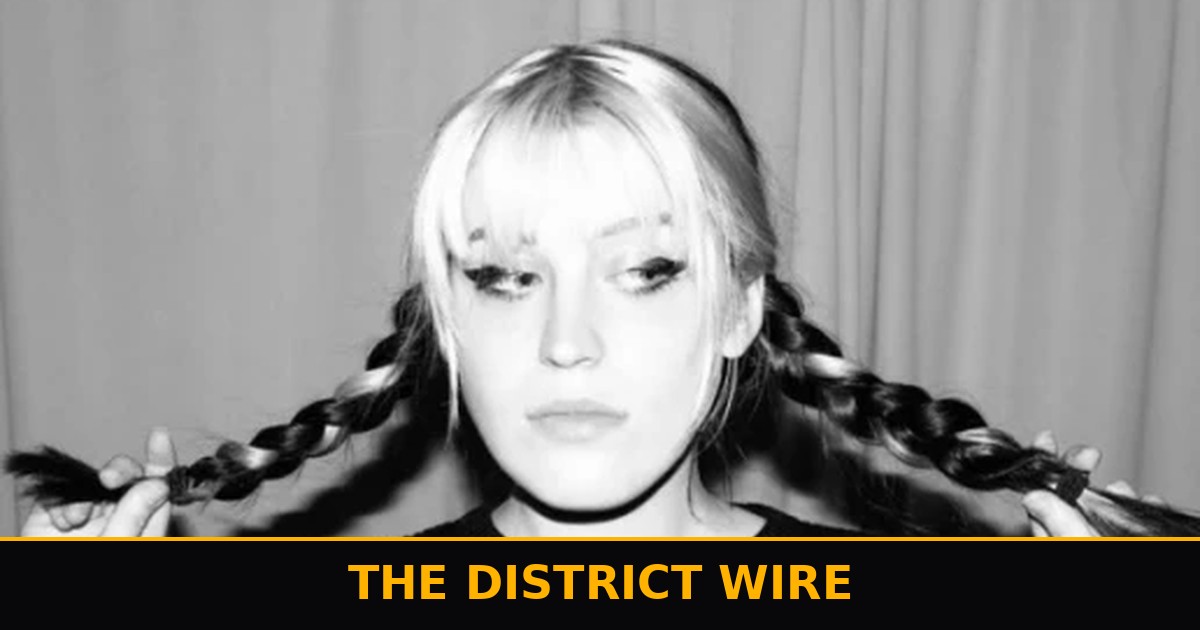
Aislinn Davis wrote and produced a track over Discord from her bedroom. It's nearing 1.4 million streams. No permission slip required.
+
District Wire · October 6, 2026
Aislinn Davis wrote and produced a track over Discord from her bedroom. It's nearing 1.4 million streams. No permission slip required.
The gatekeepers are gone, and Aislinn Davis is the proof. The independent artist has racked up nearly 1.4 million streams on a track she wrote and produced herself — from her bedroom, collaborating over Discord — with no label behind her, according to her announcement.
Let that land for a second. A song made in a bedroom, built through a chat app, is being played on repeat by fans every single day. There was no A&R meeting, no studio advance, no marketing department. There was a laptop, a voice, and a direct line to the people.
This is the new arithmetic of the music business. The tools that once required a label's budget — production software, distribution, a global storefront — now live on a hard drive and a phone. What hasn't changed is the hard part: making something people actually want to hear twice. Davis cleared that bar, and the streams followed.
Her run is also a quiet rebuke to the loudest anxieties in the industry. While headlines warn that AI-generated catalogs and bot farms are flooding the platforms, a human being in a bedroom is out here earning real listeners one play at a time. The machines can manufacture streams. They can't manufacture the thing people come back for.
There's a production story here, too. Discord started as a gamer chat app and quietly became one of the most important collaboration tools in independent music — a free studio hallway where a vocalist in one city and a producer in another can build a record in real time. Davis didn't wait for a budget or a room with foam on the walls. She treated the internet as the studio, and the numbers suggest the audience couldn't tell the difference — or didn't care.
For every independent artist reading this between shifts: the blueprint is sitting in plain sight. Write it where you are. Produce it with what you have. Put it out yourself. The audience is already scrolling.
The District Wire · Panda1Nation
Artist Watch
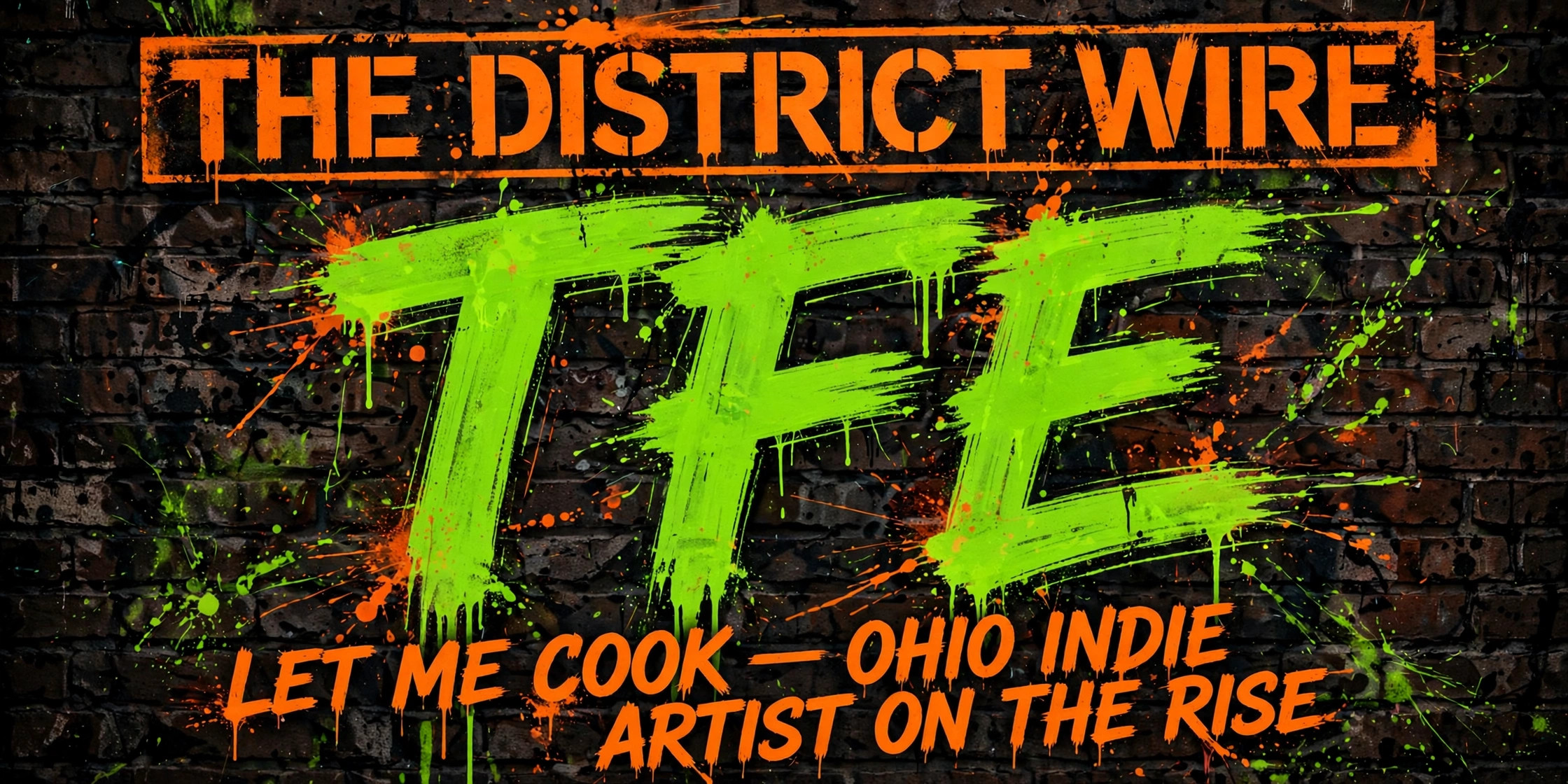
TFE Is Cooking — and Ohio's Indie Scene Smells It
With 220K Instagram followers and a viral "let me cook" moment, the Ohio independent artist is running the modern playbook: confidence, content, playlists.
+
District Wire · October 6, 2026
With 220K Instagram followers and a viral "let me cook" moment, the Ohio independent artist is running the modern playbook: confidence, content, playlists.
The new A&R doesn't work in an office. It works in the comments section — and right now, it's watching TFE.
The independent artist out of Ohio has built an audience of 220,000 Instagram followers the hard way: directly. In a recent viral moment, TFE told scrollers plainly that they'd found their new favorite artist and to let him cook — the kind of unapologetic self-belief that used to get an artist laughed out of a label meeting and now gets them a fanbase.
The strategy underneath the confidence is just as deliberate. TFE is pushing a playlist-first approach: getting the music onto the playlists where discovery actually happens, then letting the songs do the converting. It's the independent artist's funnel in 2026 — attention in, streams out, no middleman taking a cut of either.
There's a lesson here that goes beyond one artist. The old model asked musicians to be discovered; the new model asks them to be undeniable. Every post is a pitch meeting. Every reel is a showcase. The artists who understand that the phone is the stage are building careers on their own schedules, in their own cities, with their own names on the paperwork.
The playlist piece deserves its own spotlight. For independent artists, playlist placement has replaced radio adds as the primary discovery engine — and unlike radio, the barrier to entry is a pitch, not a payola budget. Artists who treat playlist curators like the new program directors, and who feed them a steady stream of releases, are building catalog momentum one add at a time. TFE's push is textbook: give the curators something undeniable, then give the audience a reason to stay.
Ohio has been quietly producing independent heat for years. TFE is just the latest to bet that the audience — not the industry — gets the final vote. Let him cook.
The District Wire · Panda1Nation
New Music
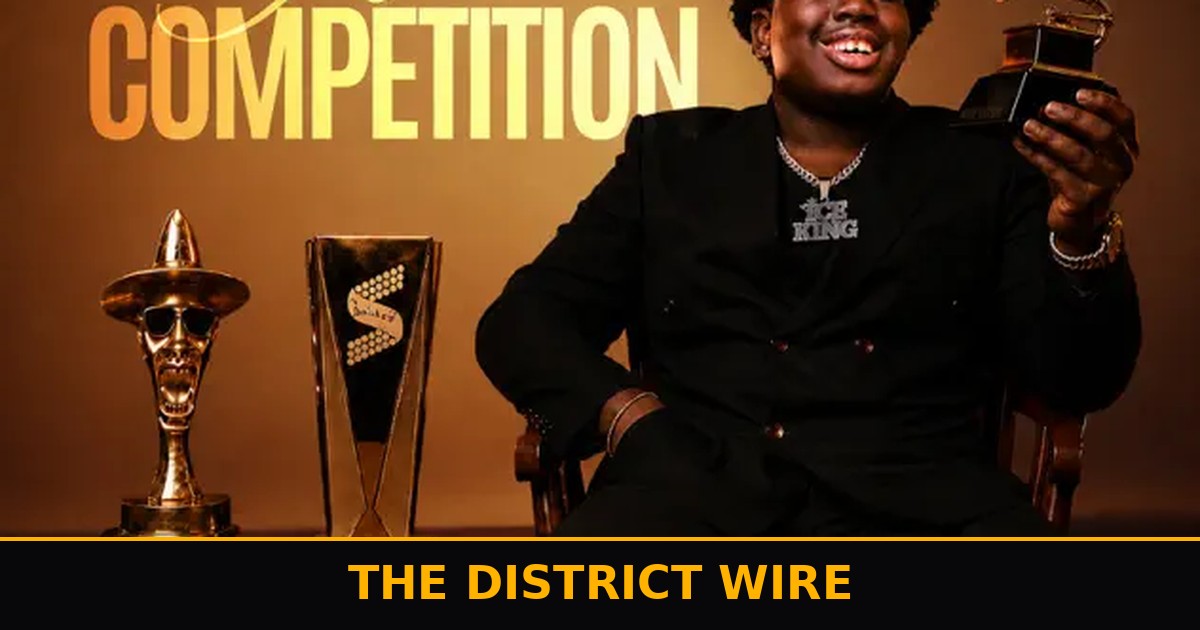
Iceking Ochacho Sets 'Future' for October 14
The independent artist announced his upcoming project "Future" with gratitude to God, his fans, and every streamer along the way.
+
District Wire · October 6, 2026
The independent artist announced his upcoming project "Future" with gratitude to God, his fans, and every streamer along the way.
Mark the calendar: Iceking Ochacho's new project Future drops October 14.
The independent artist made the announcement directly to his audience, thanking God, his fans, and everybody streaming his music on the way up. It's the kind of rollout that defines the independent era — no press release through a label publicist, no coordinated media embargo. Just an artist, his people, and a date.
That directness is the point. In a landscape where release calendars are dominated by major-label tentpoles, independent drops like Future survive on something the majors can't manufacture: a genuine relationship between the artist and the listener. Every stream that got Ochacho here came from someone who chose to press play — and the announcement reads like he knows exactly who those someones are.
The gratitude-first rollout is also smart business. In the attention economy, fans fund what they feel part of. An artist who publicly credits the listeners on the way up is building the kind of loyalty that turns a release date into an event — no marketing budget required. October 14 isn't just a drop date; it's a payoff the audience feels invested in.
October is stacking up to be a busy month for independent releases — debut albums landing on the 16th and the 23rd, and now Future on the 14th. The majors may own the headlines, but the independents are owning the calendar. Future adds another date worth circling. The District Wire will keep it locked — when independent artists move, we move with them.
A new indie op-ed lays out the five-point case for leaving the algorithm behind — and building on channels artists actually own.
+
District Wire · October 6, 2026
A new indie op-ed lays out the five-point case for leaving the algorithm behind — and building on channels artists actually own.
In 2026, the streaming platforms are not neutral. A new independent op-ed making the rounds argues plainly that mainstream streaming is built for major labels and superstar artists — not independent creators — and lays out five reasons the author walked away to focus on platforms that actually serve a career. It's worth reading in full, because every point lands squarely on the side of the artist.
1. The algorithms favor the already famous. Independent artists are rarely promoted unless they fit trending templates or go viral. The systems prioritize the mainstream, leaving indie creators fighting for scraps. Chasing streams in that environment, the piece argues, wastes time and energy better spent on direct fan engagement and community building.
2. The money doesn't math. Per-stream payouts are low — and worse, revenue can be delayed, frozen, or arbitrarily restricted. The more you stream, the more you feed a system that doesn't fairly reward independent work. Focusing on platforms where the artist controls monetization means capturing nearly all the value the music generates.
3. Your catalog can vanish overnight. Copyright claims, algorithmic flags, or plain platform mistakes can remove music at any moment. A takedown doesn't just stop revenue; it erases months of momentum. Controlling distribution keeps the music accessible to fans regardless of outside interference.
4. The noise is deafening. Mainstream platforms are flooded with millions of releases. Standing out demands endless marketing spend, promotions, and trend-chasing — often with little long-term payoff. Building on owned channels grows sustainably, with fans who actually care about the music.
5. Independence compounds. Instead of feeding corporate platforms, the op-ed's author invests in assets they control: email lists, exclusive content, community engagement, merch. These create sustainable income and fan loyalty — and every fan interaction benefits the artist's career directly, not a major label's ecosystem or an algorithm's.
The final thought is the thesis: in 2026, independent artists can thrive by stepping off the mainstream streaming treadmill, because direct fan engagement, monetization control, and sustainable growth outweigh fleeting streams and algorithmic favor.
This is the sermon Panda1Nation has been preaching from day one. The platforms were never built for the independent artist — they were built to aggregate audiences and sell them back to you. The artists who understand that are building on ground they own: the email list nobody can throttle, the community nobody can demonetize, the catalog nobody can take down. Own your work. Own your audience. Keep the revenue.
The District Wire · Panda1Nation
Artist Watch
Brooklyn Dylan’s “Ghost”: 46,000 Streams and Climbing, No Major Label Required
The Chicago indie singer-songwriter’s introspective new single is building on a viral breakout — with a small team and no major-label machinery.
+
District Wire · October 6, 2026
The Chicago indie singer-songwriter’s introspective new single is building on a viral breakout — with a small team and no major-label machinery.
Chicago-based singer-songwriter Brooklyn Dylan has released “Ghost,” an introspective pop-rock single about the memories and old relationships that linger long after we believe we have moved on. The track has generated more than 46,000 streams and counting, according to The Hype Magazine.
Co-written by Dylan and produced by Josh Monroy, “Ghost” examines what happens when closure is incomplete — when songs, dreams, and ordinary moments unexpectedly bring someone from the past back into focus. It is less about wanting someone back than recognizing that moving on does not always mean forgetting, a distinction that gives the record much of its emotional weight.
Dylan is represented by independent Big Mac Entertainment, and the single arrives with real momentum behind it. Her breakout release, “Bad Blood,” surpassed 1.7 million video views and reached No. 1 on Top 40 radio in 15 US markets — the kind of grassroots traction that money cannot buy and labels cannot manufacture. That she co-writes her material, with Monroy producing, has helped establish her as an artist with a developing identity rather than a vocalist delivering outside songs. Video promotion surrounding the “Ghost” campaign has already accumulated more than 1 million views.
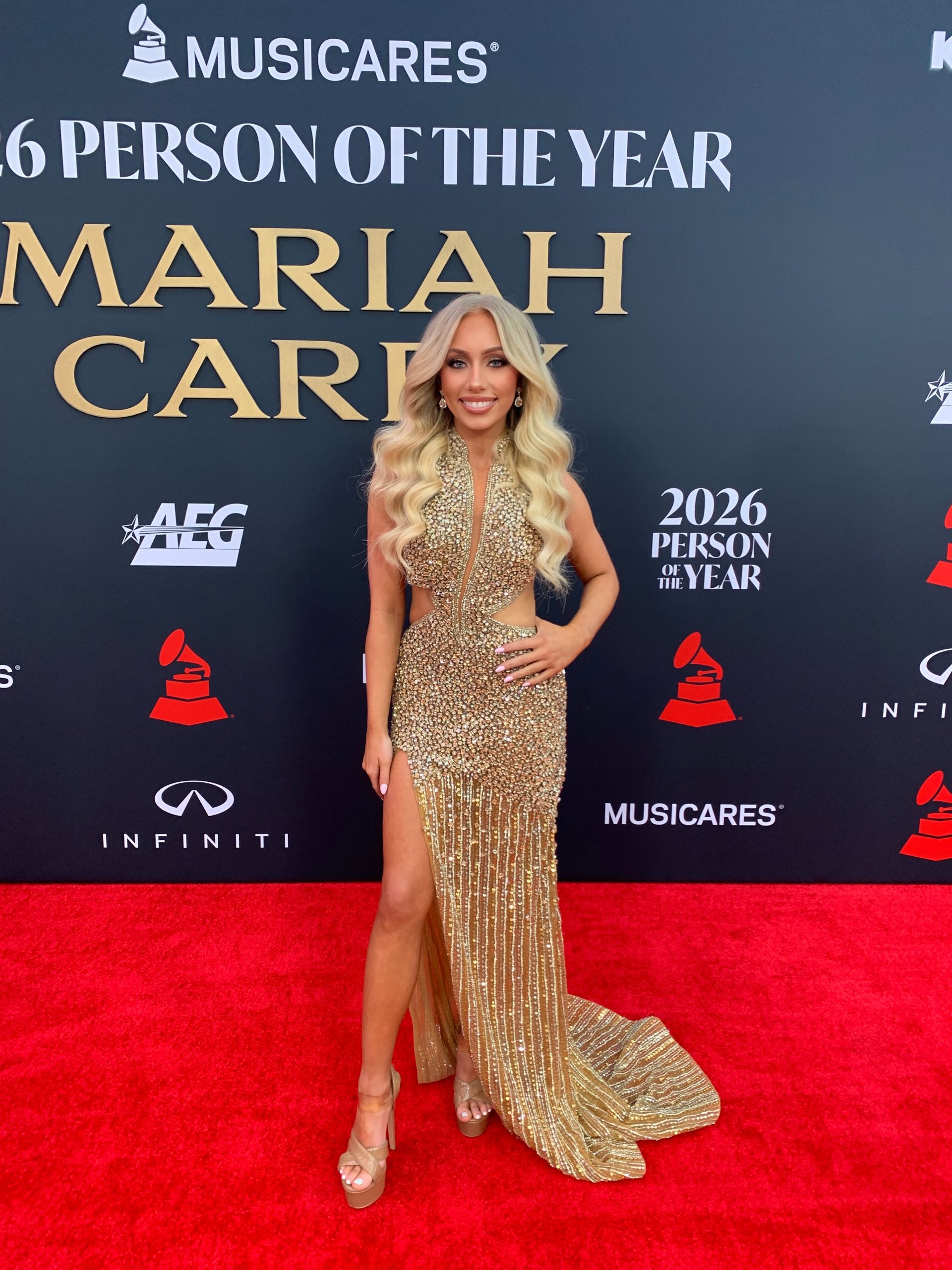
Her rise has been accompanied by increasingly visible industry moments. Dylan has performed at the Sundance Film Festival’s Music Lodge and attended the MusiCares Person of the Year event honoring Mariah Carey, steps that have moved her from emerging talent toward national visibility. Each appearance has widened a digital audience that continues to grow on the strength of the music itself.
The throughline of Dylan’s story is vulnerability as strategy. After her house burned down, music became her outlet for processing loss and upheaval — and she has allowed that emotional directness to become the recognizable core of her songwriting rather than sanding it down for mass appeal.
With her next single, “So What,” already in the works, Dylan’s trajectory is a case study in the modern indie playbook: a viral prior single, a small committed team, emotionally honest material, and steady forward motion. No major label required.
The District Wire · Panda1Nation
Independent Blueprint
One Idea a Day: How Alexander French Turned 900,000 Followers Into a Debut Album
A daily Instagram discipline became a viral phenomenon — and now a 25-track debut. No label at the start. Just the work.
+
District Wire · October 6, 2026
A daily Instagram discipline became a viral phenomenon — and now a 25-track debut. No label at the start. Just the work.
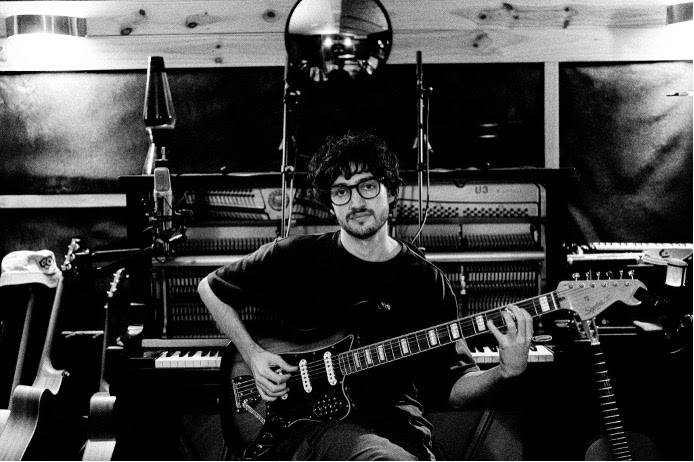
Last October, Alexander French made himself a promise: one musical sketch, posted to Instagram, every single day. No overthinking. No perfectionism. Just record, release, repeat.
Twelve months later, the 25-year-old multi-instrumentalist from Perth has nearly 900,000 followers, co-signs from Pharrell, John Mayer, Justin Timberlake, and SZA — and a 25-track debut album, ideas of the day – vol. 1, released October 2 via One Day Recordings and Universal Music Australia.
French’s “Idea a Day” series was born as a personal corrective. “So Idea A Day was a way of pushing against that; record, release and then whatever happens next is out of your control,” he told The Age in a new profile, describing his habit of working a piece “until it is” perfect and never finishing it.
The discipline worked faster than anyone expected. Day 18’s folky sketch caught John Mayer’s ear — and his follow. Day 52 drew a comment from Justin Timberlake. Day 53 brought Pharrell. What began as a private exercise in letting go became a runaway viral phenomenon, with French’s expressive piano chords, punchy drums, and deep basslines finding a global audience from the studio he calls his second home.
The story behind the success is quieter than the numbers suggest. French describes himself as reserved, a shy kid who once asked his teacher if he could play keyboard instead of speaking during show-and-tell — then worked out a classmate’s song request on the spot and won the room. Growing up an only child in a quiet Perth suburb, he spent hours alone at the piano, entertaining himself until his mother had to check he had remembered to eat. At 16, the death of his father reshaped his world, and music became both refuge and resolve — the thing he would commit to completely or not at all.
Even now, with the co-signs and the milestones, French admits the self-doubt never fully left; he still battles the feeling that someone will discover it was all an illusion. What sustains him, he says, are the messages from other young musicians — fans telling him his daily discipline pushed them to start creating and sharing their own work. The student has become the example.
That commitment is now taking him further than Perth. French is heading to Los Angeles for his first trip to the United States, with industry meetings — and possibly studio time with some famous new fans — on the horizon.
The French blueprint contains no shortcuts: no label at the start, no viral gimmick, no manufactured moment. Just a daily post, a real talent, and the patience to let the internet do what gatekeepers used to. For every independent artist staring at a follower count, it is the most useful kind of proof — that the work, done consistently, still compounds.
The District Wire · Panda1Nation
Ownership
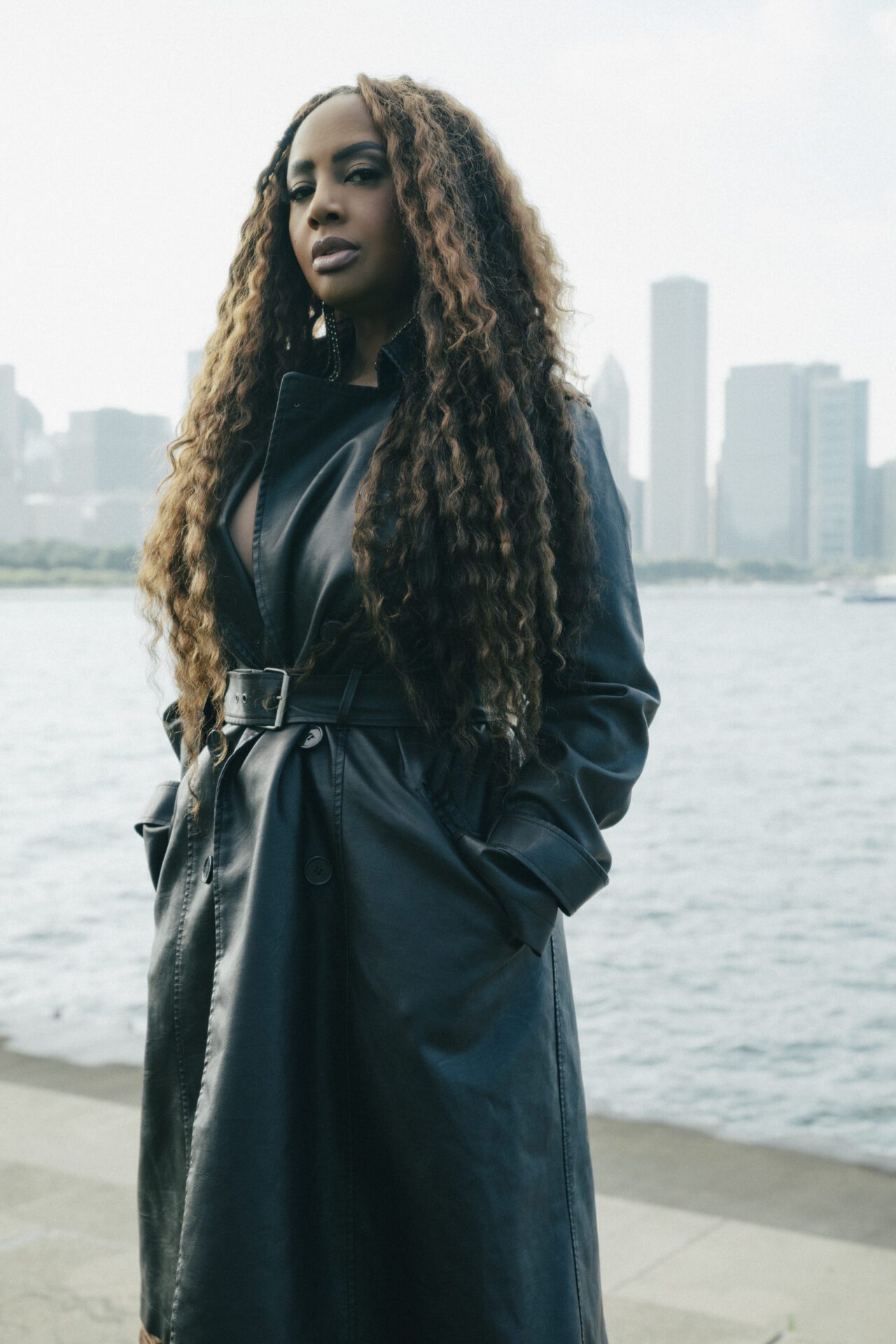
Lalah Hathaway Bets on Herself: “Made In Chicago” Arrives on Her Own Imprint
The five-time Grammy winner’s ninth album comes via Hathaway Entertainment — and she’s asking fans to buy it, not just stream it.
+
District Wire · October 6, 2026
The five-time Grammy winner’s ninth album comes via Hathaway Entertainment — and she’s asking fans to buy it, not just stream it.
Lalah Hathaway has released Made In Chicago, her ninth studio album, on her own Hathaway Entertainment imprint through independent label-services company SRG-ILS — the latest legacy artist to choose the independent route over the major-label machine.
Co-written and co-produced with Phil Beaudreau, the album is a sepia-toned reflection on Hathaway’s Chicago adolescence, drawing from jazz, soul, R&B, Quiet Storm, and boogie. The lead single, “47th Street,” features Chicago poet J. Ivy and traces her family’s arrival in the city through the historical lens of the Great Migration. Other tracks nod to the landmarks of her youth, including “Rainbo,” named for the long-demolished North Side roller rink where she spent her skate nights.
In a new interview with Rated R&B, Hathaway — the daughter of Donny Hathaway — described the record as a deliberate act of time travel. The album, she said, is meant to transport listeners to the intersection of nostalgia and melancholy, “wherever you need to go.” She thinks of the record in color: where 2024’s Vantablack was named for the blackest black, Made In Chicago is, in her words, a chocolate record — mahogany, warm, layered — right down to the chocolate vinyl pressing.
The album’s emotional range runs wide. The Eric Dawkins-penned “Follow” captures the ease of surrendering to love, while the somber “Time” mourns the recent loss of a close friend and colleague. And on “47th Street,” over J. Ivy’s historical narration, Hathaway sings what may be the record’s thesis line: “You can occupy the streets / But you cannot evict what lives in me” — a quiet statement of resistance from an artist who notes that making joyful music as a Black woman in America is itself a political act.
She also revealed that she is publishing a biography of her father, Sing Your Greatest Song, co-written with David Ritz, due in 2027. The book, years in the making, draws on his full discography and the musicians who knew him.
Perhaps the most telling moment of the interview had nothing to do with the music itself. Hathaway told Rated R&B she is explicitly asking fans to purchase the record rather than only stream it: “I buy the records I really love because I want to own them and pass them down.”
It is a remarkable statement from an artist of her stature — a direct challenge to the streaming economics that pay fractions of pennies while demanding the same labor. Coming from a five-time Grammy winner with nothing left to prove, the message lands harder: ownership still matters, and the people who make the music are allowed to say so.
Made In Chicago is available now via Hathaway Entertainment/SRG-ILS.
The District Wire · Panda1Nation
AI & Copyright
Appeals Court Rejects “Fair Use” Defense for AI Training — What It Means for the Fight With Suno
The Third Circuit just handed the music industry its most powerful AI-training precedent yet. The fine print matters.
+
District Wire · October 6, 2026
The Third Circuit just handed the music industry its most powerful AI-training precedent yet. The fine print matters.
A US federal appeals court has rejected a fair use defense for training a commercial artificial intelligence model on copyrighted material, in a ruling the music industry immediately claimed as its own.
On September 29, the US Court of Appeals for the Third Circuit ruled for Thomson Reuters against AI legal research company ROSS Intelligence, finding that ROSS’s use of copyrighted Westlaw headnotes to train a competing product was not protected fair use. No music company was a party to the case. But the Recording Industry Association of America and the National Music Publishers Association filed a joint amicus brief backing Thomson Reuters — one that explicitly named Suno, Udio, and Anthropic as their members’ own AI litigations.
“Unlike necessity, ease is not a justification for copying.”
The court found that ROSS had copied the headnotes not because it needed to, but because it was easier than building from the underlying judicial opinions, which anyone is free to use.
Three of the ruling’s holdings cut directly toward the labels’ fight with Suno. First, the court held that a market for licensing training data can count for fair-use purposes even if the rights holder never actually licensed into it — a direct answer to AI companies’ claim that no such market exists. Second, it affirmed that each copied work counts separately for damages. Universal Music Group and Sony Music’s second lawsuit against Suno pleads 60,202 recordings; at the $150,000 statutory maximum per work, that is a theoretical ceiling above $9 billion on that suit alone. Third, the court treated the defendant’s bad-faith acquisition conduct as weighing against fair use — relevant given that Suno admitted in a September filing to obtaining YouTube audio with the downloading tool YT-DLP.
But the ruling has real limits, and the industry knows it. A footnote carves out generative AI models, noting that ROSS’s platform “cannot generate original expression” — while Suno’s can. The decision is also persuasive rather than binding on the Massachusetts federal court hearing UMG and Sony’s case against Suno, which sits in the First Circuit; summary judgment there is not expected until June 22, 2027. And Suno can argue a necessity defense ROSS could not: there is no vast public archive of uncopyrighted sound recordings to train on.
Still, the direction of travel is unmistakable. A Munich court already upheld GEMA’s claims against Suno on similar logic in July. Warner Music settled with Suno and signed a licensing deal last November, and BMG, Believe, and TuneCore have since licensed the platform — evidence, the labels argue, of exactly the licensing market the Third Circuit recognized.
For independent artists, the stakes are binary: either AI companies must pay to train on music, turning catalogs into licensable assets, or training remains free and those catalogs become uncompensated raw material. This ruling pushes hard toward the first outcome — even if the final answer is still years away.
The District Wire · Panda1Nation
Music Business
My Block Records Settles $1M Royalty Suit Against Distributor in 15 Days
A two-week federal lawsuit raised uncomfortable questions about distributor transparency — and then it was gone.
+
District Wire · October 6, 2026
A two-week federal lawsuit raised uncomfortable questions about distributor transparency — and then it was gone.
My Block Records, the independent label founded by producer Warryn Campbell, has withdrawn its royalty lawsuit against former distributor SRG/ILS Group in New York federal court, just 15 days after filing it.
The label filed its complaint on September 17 and dismissed the action on October 2, according to Music Business Worldwide, which reviewed the court notice. The dismissal was “without prejudice,” meaning My Block retains the right to refile the same claims. Settlement terms were not disclosed.
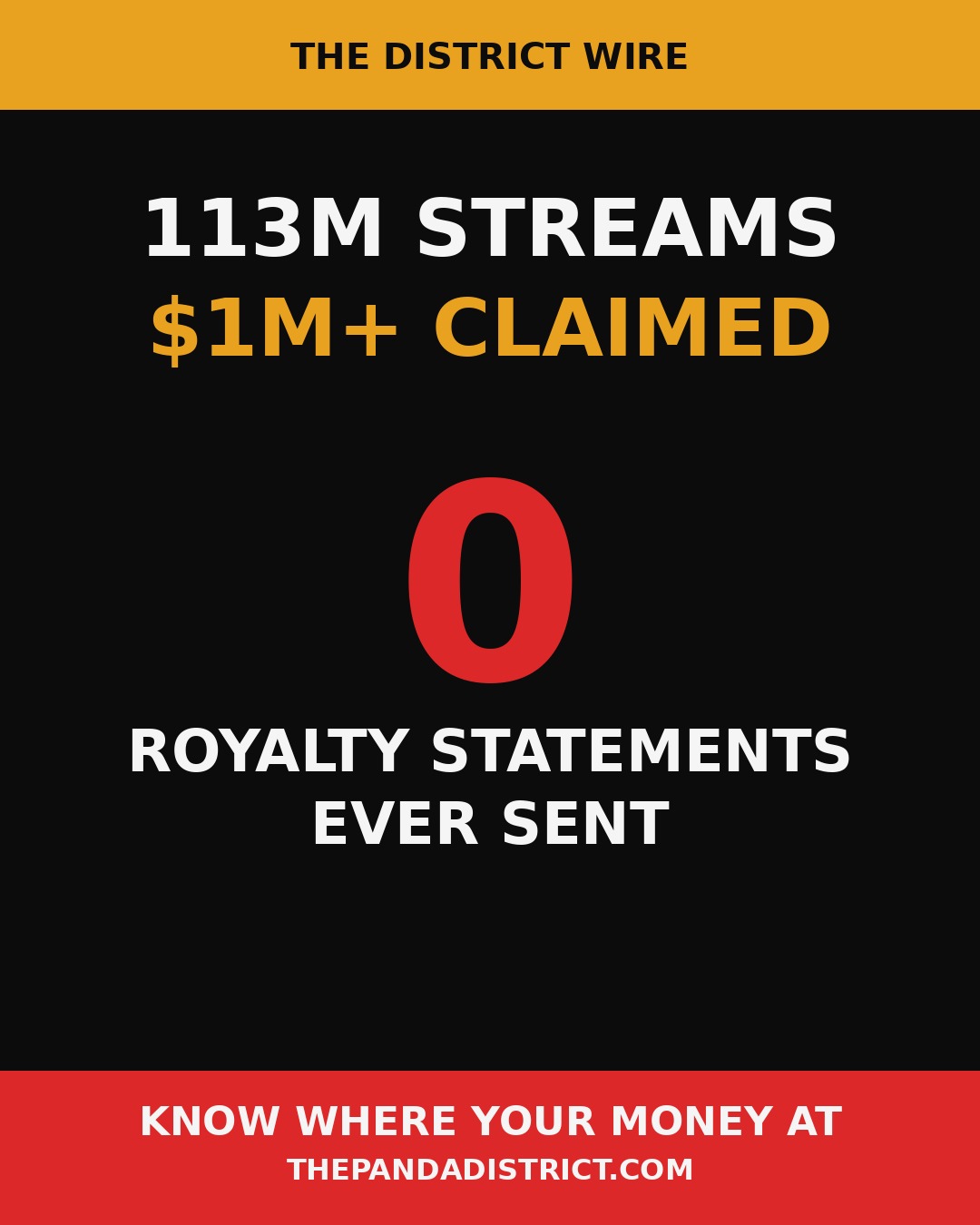
The speed of the resolution is striking given the severity of the allegations. My Block claimed that three albums released under its licensing deal with SRG — Lena Byrd Miles’ Brand New, The Walls Group’s Four Walls, and Campbell’s own I Love You, which was nominated for Best Gospel Album at the 66th Grammy Awards — drew more than 113 million streams between 2022 and 2024 and generated over $1 million in sales. Yet, the complaint alleged, SRG never sent the label a single royalty statement for any of the three records.
“To date, SRG has not provided Block with any royalty statements relating to the release of the album I Love You.”
The filing made the same claim about the other two albums before concluding: “SRG has never provided Block a royalty statement.”
The suit went further, alleging that SRG failed to spend contractual marketing amounts committed to the label’s releases and never provided receipts or evidence of that spending. Alongside damages of more than $1 million, My Block sought interest, legal fees, and a jury trial.
SRG, for its part, told Billboard — which first reported the settlement — that it was “pleased to announce that it has resolved the matter with My Block Inc.,” adding that it wished the label “continued success and the very best in all future endeavors.” My Block’s attorney declined to comment.
The case lands at a moment when distributor accountability is under unusual scrutiny. SRG/ILS, based in Norwalk, Connecticut and operating in partnership with Universal Music Group’s Virgin Music Group, still faces a separate royalty lawsuit filed in February 2026 by R&B singer Kenny Lattimore over his 2021 album Here to Stay. SRG has denied Lattimore’s claims and is contesting that case.
And My Block is not alone in taking the dispute route. Just days earlier, on September 30, London’s High Court ordered AEI Music to make an interim payment of £1.4 million to NoCopyrightSounds in a separate label-distributor royalty fight, with a full trial set for January 2028.
For independent artists watching from the sidelines, the lesson is less about who was right than about the machinery itself: a label with Grammy-nominated catalog and nine-figure streams said it could not get a basic accounting statement without filing a federal lawsuit. Settlements end cases. They do not answer the questions that started them.
The District Wire · Panda1Nation
Sacred text on the wall
Drizzy's Indie Playbook
The mindset manual for independent artists. Every chapter builds toward one outcome: artists who need no label to win. Read it. Live it. Win.
One
Chapter 1
The Mental Flip
Before you can win in the industry, you gotta win in your mind. The first battle every indie artist faces is internal. We're programmed to chase validation, to wait for a label, or to think we need permission. That's the lie. The truth is, you've been the key the whole time.
The flip? Understanding that you don't need to be discovered — you need to be consistent.
The starving artist dies in this chapter. The self-made CEO is born.
💎 “I don't chase permission — I create momentum.”
🎯 Your Move
Write down every external thing you've been waiting on. Now cross it out. Replace each one with a move YOU control.
Workbook — Topic: Self-Validation
Core Message: You are already enough to begin. The industry doesn't define you — you define your impact.
Field Notes / Reflect
Reflection Question
What's one belief you've held about needing someone else's approval?
Field Notes / Daily
Daily Practice
Every morning, speak this: “I build myself. I market myself. I fund myself.”
Two
Chapter 2
You vs. You
Your biggest op is not the competition — it's the version of you that's inconsistent, distracted, or fearful. Every indie artist has talent. But the ones who win are the ones who out-discipline their old selves.
Success ain't sexy in the beginning. It's repetitive. It's lonely. It's unrecognized.
But that version of you that's willing to work in the dark? That's the version that wins in the light.
💎 “My habits honor my goals — not my feelings.”
🎯 Your Move
Pick 2 toxic habits and commit to cutting them off for 30 days. Replace them with focused routines.
Workbook — Topic: Discipline Over Hype
Core Message: You don't rise to the level of your goals. You fall to the level of your habits.
Field Notes / Reflect
Reflection Question
What is one area where your old self keeps winning?
Field Notes / Daily
Daily Practice
Track your top 3 priorities every day. No excuses. Score yourself at night.
Three
Chapter 3
Brand Ain't a Logo
Brand isn't colors and fonts. It's the emotion people associate with your name. It's what people say when you're not in the room. You can have fire music — but if people can't describe you in one sentence, you're forgettable.
Brand is your message. Your mission. Your energy. It's how you show up online and in person. Consistency creates identity.
Don't build a look — build a legacy.
💎 “My brand speaks before I do.”
🎯 Your Move
Write your personal mission statement. Not for followers — for YOU. What do you stand for when the lights are off?
Workbook — Topic: Branding with Intent
Core Message: Brand is the promise you make — and keep — with your audience.
Field Notes / Reflect
Reflection Question
How do you want people to describe your movement in one sentence?
Field Notes / Daily
Daily Practice
Every post, every word, every outfit — ask: “Does this match my message?”
Four
Chapter 4
Get Your Paper Right
Talent gets you heard. Paperwork gets you paid. Right now there's indie artists with millions of streams who can't pay rent — not because the music wasn't good enough, but because the business wasn't handled.
Here's the game nobody hands you: before your song ever touches the world, it needs to be registered. Your PRO — ASCAP or BMI, pick one — collects your performance royalties. SoundExchange collects your digital royalties. Your distributor puts you on every platform. And split sheets — signed BEFORE the song drops, not after it blows — decide who owns what percentage.
No paperwork, no payday. It's that simple.
Registration, royalties, split sheets, and owning your masters are how you eat without a label.
You are not just an artist. You are a business. And businesses don't run on vibes — they run on ownership. Own your masters. Know your splits. Register everything. The artists who eat for decades aren't always the most talented in the room. They're the ones who handled the business like the music depended on it — because it does.
💎 “I treat my music like a business — because it is one.”
🎯 Your Move
This week: register with a PRO if you haven't. Pull up your last three releases and confirm every split is in writing. One song, one sheet, one registration at a time.
Workbook — Topic: Ownership & Royalties
Core Message: Streams don't pay people — systems do. Build the system once, eat forever.
Field Notes / Reflect
Reflection Question
What's one release of yours earning nothing right now because the paperwork was never done?
Field Notes / Daily
Daily Practice
Every time you finish a record, ask: “Is it registered? Are the splits signed? Who owns the master?” — before you post a single snippet.
Five
Chapter 5
The Blueprint — Step by Step
No more guessing. This is the exact order of operations. Follow it.
1
Lock your identity. Before you drop a single song, know your answer: who are you, what do you stand for, what do you sound like? (Chapters 2 and 3 — go back if you skipped.)
2
Handle the business first. PRO, SoundExchange, distributor, split sheets. Chapter 4. If the paperwork ain't done, you're building on sand.
3
Build the catalog. One song is a moment. Twenty songs is a catalog. Record constantly. You can't market what doesn't exist.
4
Start the content engine. Every song gets 10+ pieces of content: teasers, behind-the-scenes, lyric breakdowns, freestyles. Short-form runs the game now.
5
Drop with strategy. Singles first, build momentum, then the project. Pitch every release to playlists — editorial and independent. No random drops.
6
Own your fans directly. Social platforms rent you an audience. Build the list: emails, a text line, a community. If Instagram vanished tomorrow, who could you still reach?
7
Monetize everything. Merch on day one — even simple. Shows, features, beats, sync placements. Stack your income streams or leave money lonely.
8
Collaborate up. Link with producers, engineers, videographers, and artists one level above you. Every collab is a doorway to their audience.
9
Reinvest every dollar. The first $1,000 goes back into the machine: better visuals, better mixes, ads on what's already working. Artists go broke spending profit like salary.
10
Never sign out of desperation. A label is a loan with a beat attached. If you ever partner, you negotiate from strength — catalog, fans, and revenue in hand. Until then, YOU are the label.
💎 “I don't chase the industry — I build my own, step by step.”
🎯 Your Move
Write down which step you're on right now. Then do the next one this week. Not someday — this week.
Workbook — Topic: Execution in Order
Core Message: Order matters. Most artists fail not from lack of talent but from doing step 8 before step 2.
Field Notes / Reflect
Reflection Question
Which step have you been skipping — and what did it cost you?
Field Notes / Daily
Daily Practice
Every Sunday, score yourself 1-10 on each step. Attack your lowest number first.
Chapter 6 and beyond are in the works — the playbook keeps growing. Stay locked in.
Diamondhead, Mississippi's Lance "Mr. Nyce Guy" Rutledge is rapping, directing, and building a one-man media machine — 17 tracks deep, 140K monthly listeners, and no label anywhere in the picture.
By IndiePrint · A Panda1Nation Publication
Diamondhead, Mississippi stand up.
Lancing Ruel — Lance "Mr. Nyce Guy" Rutledge — didn't wait for a label to discover him. He built the label, the studio, and the film crew all at once. The album MR. NYCE GUY landed May 9, 2026: seventeen tracks, every beat produced by BeatsByNyce, with a title track featuring Jarren Benton and verses from Fletchy2Fat, Kbeezyy, MTAjaywhite, CDE Tragic, and B3NTLY. And while most independent artists would spend a year promoting a project that size, Lancing was already shooting the next one.
That's the thing about this man. He isn't just a rapper. He's the whole operation.
MR. NYCE GUY: THE ALBUM
Seventeen tracks is a statement in itself. In an era when most artists drip-feed singles and call a seven-track playlist an album, Lancing Ruel sat down and built a full-length body of work — one producer, one vision, front to back.
The whole project runs on BeatsByNyce production, and that choice matters. A single sonic hand on all seventeen tracks gives the album a cohesion you can't buy. It sounds like an album. It sounds like a decision.
The title track — "Mr Nyce Guy" featuring Jarren Benton — is the crown jewel. A Jarren Benton feature isn't a label favor or a pay-for-play stunt. It's an artist-to-artist link-up, earned through the work. Benton's name on the tracklist is a co-sign from someone who's been in this game long enough to know talent when he hears it.
And the streets are already talking. Fan chatter keeps landing on one comparison: Kevin Gates. For a Mississippi rapper with a gravel-toned delivery and a confessional edge, there are worse names to be mentioned next to. But Lancing isn't chasing anyone's shadow — the "Mr. Nyce Guy" name is its own lane, and he's paving it at full speed.
The "MR NYCE GUY ft. Jarren Benton" video followed in September 2026, and the "HIGH FIVE" visual dropped in August. This is an artist who understands that the music and the visuals ship together. One without the other is half a product.
THE WHOLE OPERATION
Here's where Lancing Ruel separates from the pack.
He's not just the artist. He's the videographer. Friction Visions — his own video operation — is the reason his visuals look the way they do. He shoots himself, directs himself, and edits the final product. Most independent artists are begging cinematographers for discounts. Lancing became one.
And he doesn't stop at his own work. He's directing and shooting for other artists too — most notably Flatline Forreal x MTA JayWhite's "Not A Nare," which picked up press through openPR. Read that again: an independent Mississippi rapper is directing music videos for other artists and getting press coverage for it. That's a second business growing inside the first one.
Think about the math. Every dollar another artist would spend on a videographer stays in Lancing's pocket. Every skill he builds behind the camera makes him more valuable in front of it. And every video he shoots for someone else is a relationship, a credit, and a door into another market.
That's the independence thesis in real time. Maximum exposure. Real game. Without the labels.
THE NUMBERS DON'T LIE
Spotify: roughly 139.7K monthly listeners. No label. No major playlist payola machine. Just an audience finding him — track by track, reel by reel, video by video.
His Facebook is verified at 52K followers. His Instagram (@lancingruel) sits near 19K. His YouTube (@lancingruel) carries the visuals. And his home base is lancingruel.com — his own website, his own domain, his own traffic. An independent artist who owns his own URL in 2026 understands something most major-label acts never learn: you don't build your house on rented land.
Then came the single "Been Gettin It," out September 3, 2026 — fresh momentum right on the heels of the album. And the On The Radar performance, where he bodied the stage and proved the live presence matches the records.
Staying active is its own discipline. Through October 3, he's been posting — promo reels, artwork, the daily grind of an artist who treats his career like a job because it is one. The audience is watching. The numbers keep climbing.
NO LABEL REQUIRED
Let's say the quiet part out loud.
Lancing Ruel has a verified page with 52K followers. He has 140K monthly listeners. He has a 17-track album with a legitimate feature and a video catalog he shot himself. He has a website with his own name on it. He has a video production company. He has press.
There is not a label in that sentence. There doesn't need to be.
The old model said an artist needed a company to provide the recording budget, the video budget, the marketing budget, and the distribution. Lancing Ruel looked at that model and built every department himself. BeatsByNyce on the production. Friction Visions on the visuals. His own hands on the promo. His own site on the web.
That's not just independence as a slogan. That's independence as a business plan.
And the Kevin Gates comparisons? They're a sign the sound is connecting. Gates built one of the most loyal fanbases in Southern rap by being brutally honest and relentlessly consistent. If Lancing Ruel is drawing those comparisons while doing it all himself, from Diamondhead, Mississippi — the ceiling is wherever he decides to put it.
WHAT'S NEXT
"Been Gettin It" is out now — the newest single, the latest proof that the run isn't slowing down. Seventeen tracks in May, a feature-packed rollout, videos through the summer and fall, a single in September, and the content machine still running daily.
The question isn't whether Lancing Ruel will keep moving. The question is what the machine looks like a year from now — more artists shot by Friction Visions, more features, more rooms that thought Mississippi was off the map.
Diamondhead is on the map. Lance put it there.
Indieprint Spotlight
LANCING RUEL "Lance Mr. Nyce Guy" — Artist + Videographer (Friction Visions) Diamondhead, Mississippi
THE PROJECTMR. NYCE GUY — 17 tracks, all BeatsByNyce Title track ft. Jarren Benton Feats: Fletchy2Fat, Kbeezyy, MTAjaywhite, CDE Tragic, B3NTLY
THE VISUALS "HIGH FIVE" video (Aug 2026) "MR NYCE GUY ft. Jarren Benton" video (Sep 2026) Directed: Flatline Forreal x MTA JayWhite "Not A Nare"
START HERE Album → MR. NYCE GUY Single → "Been Gettin It"
THE MESSAGE TO INDIES Be the rapper AND the videographer. Own every department.
INDIEPRINT. Music • Business • People • Culture
Leave Your Mark. We'll Put It In Print.
A Panda1Nation Publication 🐼
Issue 004 · Cover Story
RÉ
RÉ: A NEW KINGDOM IS COMING
Atlanta's faith-grounded lyricist is building a movement with razor-sharp bars and soulful production — on his own terms, without the industry machine.
By IndiePrint · A Panda1Nation Publication
The bio on his Facebook page says it plain: "A New Kingdom Is Coming."
Three words and a promise. For RÉ — known to the streets as "Revelations of Re," and to his day-ones as 10 RÉ — that line isn't marketing. It's a mission statement. The Atlanta independent hip-hop artist has spent his grind doing something most artists won't: building the kingdom before the kingdom arrives. Brick by brick. Bar by bar. No label. No machine. No handouts.
And the people are showing up.
113,000 followers on Facebook. 18.9K on Instagram, climbing 9% in the last three months. 33.4K on TikTok with over 721,000 likes. Those aren't industry numbers — there's no marketing budget behind them, no promo team, no rollout calendar. That's one man and a message, connecting directly with the people who needed to hear it.
THE NAME SAYS IT ALL
RÉ. "Revelations of Re." Say it out loud and it lands like scripture. The name does half the storytelling before a single bar drops — it tells you this isn't music for the moment, it's music for something bigger.
There's a reason the industry machine wouldn't know what to do with an artist like this. The machine sells moments. RÉ is selling meaning. He goes by 10 RÉ to some, Revelations of Re to others — but the lane is the same: razor-sharp delivery, introspective lyricism, soulful production that can slide from the underground to the trap without ever losing its center.
That center is faith. Not as an aesthetic — as the foundation the whole thing stands on.
FAITH AT THE CENTER
Faith-grounded hip-hop is a lane most artists won't touch, because the industry has trained everybody to believe it has to be one or the other: you can be real or you can be reverent, but you can't be both.
RÉ rejected that choice entirely.
His appearance on K!D Casper's "Koinonia" podcast put the foundation on record — a conversation about where the music comes from and who it's really for. But you don't need the interview to hear it. It's in every record. The bars hit like confessionals. The production breathes like Sunday morning and bumps like Friday night.
This is what independence actually looks like when the artist controls the message. No A&R telling him to tone down the conviction. No label rep asking him to make it "more commercial." Just a man, a mic, and the truth as he sees it.
RAZOR-SHARP, SOULFUL
The sound is the weapon. RÉ's delivery is razor-sharp — the kind of precision that makes you run a line back twice, not because you missed it, but because you felt it twice. And underneath it, the production stays soulful: warm chords, heavy bottom, space to breathe. Underground roots. Trap energy. Church soul.
"The Healing," his December 2024 record produced by Yogic on Audiomack, is the entry point. The title tells you everything — this is music that treats the wound instead of just describing it.
That's the separation. Plenty of artists can describe the pain. RÉ is making records that do something about it.
THE CONSCIENCE ON THE FEED
Scroll his TikTok and you'll find something the algorithm didn't expect: conscious, social-justice pieces naming Tamir Rice and Elijah McClain. In a feed full of dances and trends, RÉ is posting truth — and 721,000 likes say the people aren't looking away.
That's the realest metric in this whole story. Not the follower counts. The engagement on the heavy stuff. When an independent artist puts his conscience on the timeline and the timeline leans in instead of scrolling past, that's not luck. That's connection. That's a movement forming in real time.
113K on Facebook didn't happen by accident. They came because somebody shared a record, then somebody else shared a video, then somebody else heard their own story in his bars and hit follow. That's how kingdoms get built — one citizen at a time.
WITHOUT THE LABELS
Here's the part this magazine exists to say out loud: RÉ did all of this without a record deal.
No label funded those 113,000 followers. No marketing department engineered the TikTok growth. No rollout machine placed "The Healing" — he and Yogic put it on Audiomack and the people found it. His whole catalog lives at the link in his bio: linktr.ee/_revelationsofre. One page. Direct line to the artist. No middlemen.
That's the blueprint Drizzy wrote about in the Indie Playbook, running in the real world. Own your masters. Own your message. Own the direct line to your people. RÉ didn't wait for permission from an industry that never understood him — he built the audience first and let the numbers do the talking.
Atlanta is one of the loudest music cities on earth, and the loudest rooms are usually the ones the industry controls. RÉ carved out his own room instead. Faith-grounded. Independent. Untouched.
WHAT'S NEXT
There are no verified 2026 releases on the board yet. And that's fine — because the bio said it first:
"A New Kingdom Is Coming."
Not here. Coming. The catalog is the foundation. The numbers are the momentum. The next drop is the coronation. When it lands, 113,000 people are already waiting — and this time, remember where you heard it first.
INDIEPRINT heard it here first. 🐼
Indieprint Spotlight
RÉ Independent hip-hop artist "Revelations of Re" / "10 RÉ" Atlanta, Georgia
THE SOUND Razor-sharp delivery. Introspective lyricism. Soulful production — underground meets trap, faith at the center.
START HERE "The Healing" — Audiomack, prod. Yogic (Dec 2024)
FIND HIM Facebook: 113K followers — "A New Kingdom Is Coming" Instagram: @revelationsofre (18.9K) TikTok: @revelationsofre (33.4K / 721.6K likes) Everything: linktr.ee/_revelationsofre
THE MESSAGE TO INDIES Build the kingdom first. The industry can come knocking later — or not at all.
INDIEPRINT. Music • Business • People • Culture
Leave Your Mark. We'll Put It In Print.
A Panda1Nation Publication 🐼
Issue 003 · Cover Story
Ymaris
YMARIS: SENSUAL. SOULFUL. EMOTIONAL.
The Buffalo singer-songwriter and visual artist on owning her name, building a whole world across music and art, and never waiting for anybody's permission.
By IndiePrint · A Panda1Nation Publication
Ask Ymaris to describe her sound in three words and she doesn't blink.
"Sensual. Soulful. Emotional."
Then ask her who she is, and she'll tell you she's a singer-songwriter and visual artist from Buffalo, New York — an Afro-Latina creative who moves between music, painting, performance, fashion, and events like they're all rooms in the same house.
"I don't really see those things as separate. For me, they're all different ways of telling a story and connecting with people."
That's the key to understanding Ymaris. She's not just making songs. She's building a world — and she's inviting you into it.
THE NAME IS THE STATEMENT
"My artist name is Ymaris, which is my own name."
No alter ego. No invented persona. No mask to hide behind.
"My name is definitely unique, which suits me well. I've always felt that there was power in simply owning who I am rather than creating a completely separate persona. Ymaris is me, but it's also the version of me that gets to be completely creative, expressive and unapologetic."
Read that twice. In an industry that loves to package artists into something easier to sell, Ymaris looked at her own name — her real, given, one-of-one name — and decided it was enough. More than enough. It was the brand, the statement, and the mission all at once.
That's not just confidence. That's ownership. And ownership is what this magazine is about. 💯
SINGING BEFORE SHE COULD SPELL
Ymaris didn't "decide" to become an artist. There was never a moment where music entered her life — because it was already there.
"I started singing when I was about 2, performing at 8, writing at 9, and began recording and releasing original songs around fourteen. Music was never something I consciously decided to 'become interested in.' It was always there."
Two years old. Before she could read, she could sing. By nine she was writing. By fourteen she was recording and releasing original music.
"Writing became a way for me to process what I was feeling and turn those feelings into something tangible."
That line right there? That's the whole origin story. Not fame, not attention — processing. Turning feelings into something tangible. The kid who sang at two grew into a woman who turns emotion into art for a living, and she trained at Buffalo Academy for Visual and Performing Arts to sharpen every tool in the kit.
MICHAEL, SELENA & THE VISUAL HEART
Ask about influences and Ymaris names two giants: Michael Jackson and Selena.
"I pull inspiration from artists like Michael Jackson and Selena, especially because of the way they connected music with performance, emotion and visual storytelling."
Notice what she admires — not just the voices or the hits, but the connection between music, performance, emotion, and visuals. That's the multidisciplinary artist talking. MJ and Selena didn't just sing; they built worlds on stage. Ymaris is walking that same road.
"I'm also inspired by R&B, soul and different generations of music, so you'll hear those influences in the melodies, harmonies and emotional side of what I create. At the same time, I'm very intentional about making sure the final product sounds like me."
Influenced by everybody. Sounding like nobody but herself. That's the balance every great artist has to find — and she's found it.
START WITH "SOON"
New to Ymaris? She'll tell you exactly where to begin.
"I'd tell people to start with 'Soon'. It gives you a pretty good introduction to who I am musically because it's sensual and emotional without giving everything away."
Sensual and emotional without giving everything away. That's not just a song description — that's an artistic philosophy. Ymaris doesn't overshare and she doesn't hide. She reveals exactly enough to pull you in and leaves the rest for you to discover.
"I want my music to make people feel something, and 'Soon' does that in a way that feels very natural to me."
And what does she want you to feel? Everything.
"My music is about feeling. I write about love, desire, vulnerability, healing, self-discovery and the things we sometimes have a hard time saying out loud."
Then this — the line that tells you what kind of artist she really is:
"Sometimes a song can be a mirror, sometimes it can be an escape, and sometimes it can help you say something you couldn't find the words for." 🔥
A mirror. An escape. A voice for the wordless. That's not just songwriting — that's service.
SURRENDER: THE MOST PERSONAL RECORD
Every artist has one song that costs more to make than the others. For Ymaris, it's "Surrender."
"I would probably say 'Surrender'. It's personal because it deals with vulnerability and letting go of the need to control everything."
Then she draws a line most people never think to draw:
"There's a difference between giving up and surrendering, and I've learned that sometimes surrendering is actually an act of strength."
Let that sit for a second. Giving up is quitting. Surrendering — real surrender — is choosing to stop gripping so tight, to trust, to let something be what it is. That takes more strength than holding on ever did.
"That song came from a very real emotional place for me."
You can hear it in the way she talks about it. "Surrender" isn't content. It's testimony.
POSITIVITY IS A PRACTICE
Here's where Ymaris and the Panda Code lock in perfectly.
Our code is P.A.N.D.A. — Positivity And Negativity Don't Agree. We asked her what "positivity over negativity" means to her as an artist, and her answer is one of the realest we've ever printed:
"To me, it doesn't mean pretending that negative things don't exist. It means choosing what you're going to create from them. I've experienced things that could have made me bitter, but I'd rather turn those experiences into music, art, growth and something that can connect with somebody else. Positivity is a choice and a practice, not just a mood." 💯
Positivity is a choice and a practice, not just a mood.
Not toxic positivity. Not pretending. Choosing — daily, deliberately — what you create from what you've been through. Turning the bitter into the beautiful. That's not just an artist statement. That's a life statement. And it's exactly what this magazine stands for.
THE ONE-WOMAN MACHINE
Now let's talk about the grind, because Ymaris keeps it all the way real about what independence actually costs.
"Probably having to be the artist, manager, creative director, promoter, event producer and business person all at once. There's no big machine behind you making everything happen."
Artist. Manager. Creative director. Promoter. Event producer. Business person. All at once. No big machine. That's six full-time jobs in one body — and she's doing all of them while making the art itself.
"I've learned to become resourceful and to keep moving even when things don't go exactly as planned. Being independent has forced me to learn parts of the industry that I might not have learned otherwise."
That's the part nobody posts about. The independence looks glamorous from the outside — no label, no boss, full creative control. From the inside, it's resourcefulness as a survival skill. Keep moving when the plan breaks. Learn the business because nobody's coming to handle it for you.
And her advice to artists just starting out? Pure Ymaris:
"Don't wait for somebody else to give you permission to be an artist. Start creating, start releasing, start performing and start learning the business side at the same time. And don't let the fact that you're independent make you think you're behind. Being independent means you have an opportunity to build your vision from the ground up." 🔥
Don't wait for permission. You're not behind — you're building from the ground up. Somebody needed to hear that today.
BUILDING THE YMARIS WORLD
Here's what separates Ymaris from artists who just drop singles: she's constructing an entire universe.
"Right now I'm continuing to build the Ymaris world. New music, visuals, live performances and my creative event series, Ymaris After Dark."
Ymaris After Dark — her own creative event series. Not waiting for somebody's showcase. Building her own stage, her own room, her own night.
And the music pipeline is loaded: two collaborative albums in the works — one with Brandon Sherman-Josey (Ymaris&Brandon), one fully produced by Tameron Diddle. A brand new record called "Drive" just got recorded, and she's already dreaming up the visuals for it.
"I also think visually, so even while I'm making a song I'm often imagining what the world around that song looks like."
That's the visual artist in her — she doesn't just hear songs, she sees them. Every record comes with a world attached. When your creative process starts with "what does this song look like," you're not making content. You're making cinema.
THE DREAM COLLAB
Every feature gets the dream-collab question, and Ymaris answered with taste:
"A dream collaboration for me would be Kali Uchis. I'm drawn to artists who aren't afraid to be vulnerable and who treat music like an art form rather than just a product."
Vulnerability. Art over product. That tracks — Ymaris recognizes her own values in Kali Uchis: the bilingual fearlessness, the genre-blurring, the refusal to be just a product on a shelf.
"Her ability to create bilingual music that crosses many genres is truly inspiring. I would love to create something that feels intimate and beautiful but still has enough edge to surprise people."
Intimate and beautiful, with enough edge to surprise people. Honestly? That sounds like a Ymaris record already. Kali, if you're reading this — Buffalo's calling. 🔥
THE MOMENTS THAT MAKE IT WORTH IT
After all the hats, all the grind, all the one-woman-machine work — what makes it worth it?
"It's honestly the moments when people tell me that something I created made them feel something."
Not streams. Not plaques. People telling her they felt something.
"Performing my own music and seeing people respond to it is a completely different feeling from just having an idea in your head. There have also been moments where I've been able to combine my music, visual art and live production into one experience. Those moments remind me that I'm not just dreaming about being an artist, I'm already building the world I imagined."
She's not dreaming about being an artist. She's already building the world she imagined. Past tense energy with future tense vision — that's somebody who knows exactly where she's standing.
And where she's going? She's clear about that too:
"A year from now, I want Ymaris to be reaching people far beyond Buffalo. I see more music released, stronger visuals, bigger stages, more collaborations and opportunities to travel and perform. Ultimately, I want to be building toward a career where I can tour, reach national audiences and continue creating across music and visual art."
Beyond Buffalo. Bigger stages. National audiences. Touring. And still creating across every medium. The vision is big because the artist is big — Buffalo was the starting line, never the finish line.
"I'm from Buffalo, but I don't see Buffalo as the limit of where my art can go."
HOLDING IT DOWN
Before we close, the shout-outs — because Ymaris makes sure to name the people holding her up:
"My Mom, Dad, and Son have held me down, held me up, and helped me hold it together. I'd be nothing without them."
Family first. Always.
"I have to shout out Brandon Sherman-Josey for spending years building with me and pushing the limits of creative expression. He's one of the best people I know, and my best friend."
And then the wider circle — the collaborators, the believers, the ones who showed up before the spotlight: Xzibit, Khudjo Goodie, 2xMint, Rock Mayfield, and "everyone who has believed in me, collaborated with me, performed with me, produced with me, supported my events and showed up for my music."
"I'm especially grateful for the people who support the vision before there's a big spotlight on it."
The people who support the vision before the spotlight. Those are the real ones. Every independent artist reading this knows exactly who those people are in their own life. Hold them close.
Indieprint Spotlight
YMARIS Singer-songwriter / Visual artist Buffalo, New York
THE SOUND "Sensual. Soulful. Emotional."
START HERE "Soon" — sensual and emotional, without giving everything away
THE MOST PERSONAL RECORD "Surrender" — "sometimes surrendering is actually an act of strength"
IN HER OWN WORDS "Positivity is a choice and a practice, not just a mood."
DREAM COLLAB Kali Uchis — "intimate and beautiful but still has enough edge to surprise people"
BUILDING NOW Ymaris After Dark (event series) · "Drive" (new single) · 2 collab albums — Ymaris&Brandon, and one fully produced by Tameron Diddle
FIND HER Ymaris everywhere — Facebook, Instagram (@ymaris), Apple Music, Spotify, Pandora, iHeart Radio · linktr.ee/ymaris
THE MESSAGE TO INDIES "Don't wait for somebody else to give you permission to be an artist."
INDIEPRINT. Music • Business • People • Culture
Leave Your Mark. We'll Put It In Print.
A Panda1Nation Publication 🐼
Issue 002 · Cover Story
Dazzie Dee
Dazzie Dee: Knowing Your Sound Is Your Sound
The West Coast legend on betting on himself, producing his own legacy as Big Saccs, and 30+ years of never chasing a trend.
By IndiePrint · A Panda1Nation Publication
Ask Dazzie Dee to describe his sound in three words and he doesn't hesitate.
“Westcoast Boom Slap!”
That's it. No overthinking, no long explanation. And that might be the most important thing to understand about the man behind the name.
Lidell Williams — better known to the world as Dazzie Dee, and to the studio as Big Saccs — has spent more than three decades in this game doing exactly one thing: being himself. From B-Boy battles in South Central to Dr. Dre's orbit at 14, from the Lench Mob to Capitol Records, from G-funk classics to boom bap revival — the sound changed, the industry changed, but the man never did.
A Conversation With People
Before the records, before the Lench Mob, before Big Saccs, there was a 10-year-old kid with Jimmy Spicer's “Super Rhymes” on repeat.
It wasn't just the beat that grabbed him.
“For me it was his flow and storytelling… It made me realize you can actually have a conversation with people via music!”
That realization became the foundation of everything. Dazzie came up as a B-Boy — popping, locking, deejaying, battle rapping — and that battle-tested wordplay became his signature. He wasn't just rhyming. He was talking to people.
That gift for conversation would take him places a kid from the Hundreds could only dream about.
The Early Days: Learning Next to Giants
Most kids meet their heroes through a poster on the wall. Dazzie met his in real life at 14 — Dr. Dre, Sir Jinx and K-Dee, all in the same orbit, all figuring it out at the same time.
His first EP, Turn It Loose (1988), was produced by Dre and Sir Jinx. But ask him what he remembers most and it isn't the credits or the studio sessions.
“Like I said at that time we were all learning so that was the fun part… Watching Dre get better, watching Jinx go from DJ'in to producing and watching my homies actually make records.”
There's something real in that memory. Before the legends became legends, they were just young ones in a room, getting better together. Dazzie wasn't a spectator — he was in the room, learning alongside future giants.
That room taught him something he's carried ever since: nobody arrives finished. You put in the work, you watch, you learn, and you level up.
Betting on Yourself
Here's where Dazzie's story connects directly to what this magazine is about.
He was an original member of Ice Cube's Lench Mob Records. That's the kind of co-sign most artists would kill for. But when his vision stopped aligning with the label's, he did something most people are too scared to do.
He walked away.
“I learned to take my career into my own hands… If my vision didn't align with others that was ok… It was never any love lost… Just knew my sound was my sound.” 🔥💯
Read that again. No bitterness, no burned bridges. Just a man who knew his sound was his sound — and refused to let anybody else reshape it.
That's the independent artist's creed in one sentence. You don't chase the machine. You take your career into your own hands and you move.
It's the same reason he built Geed Up Records, the same reason he produces most of his own music as Big Saccs, the same reason he's still here 30+ years later while so many of his contemporaries faded. Ownership isn't a business strategy for Dazzie Dee. It's a way of life.
Big Saccs in the Kitchen
“Most of the time it's Big Saccs since I produce most of my music.”
Walk into the studio with Dazzie Dee and the first hat that goes on is the producer's. The rapper comes second. That's how it's always been.
Ask him what's changed about his approach from the 90s to the Beat Slapperz era and his answer tells you everything about who he is:
“My approach with music really hasn't changed.. I think these days I'm still relying on hardware to get things done which is dope to me!” 💯
In an era where everybody's making beats on laptops and phones, Big Saccs is still on the MPC. Still on the hardware. Still cooking the way he learned to cook. There's one thing he can't make a record without — and it isn't a plugin or a preset.
“My MPC!”
That loyalty to the craft showed up in a big way with Baking Soda, his 2022 project with Westcoast Stone. Fans expecting straight G-funk got something different — a return to Dazzie's boom bap, hip-hop roots. And it was intentional.
“I knew I wanted to get bacc to my love for Hip Hop/Boom Bap so it was a great introduction to ease people into this new era… It still had elements of both which was dope.”
He stepped outside the box the industry put him in — and proved the box was never real in the first place.
The Secret to 30+ Years
So what's the actual key to lasting three decades in an industry that chews people up and spits them out?
“I just live what I do and like I said… I knew my sound was different from everyone else so I just keep doing me.” 💯
“I just live what I do.”
That's not a soundbite. That's a philosophy. Dazzie Dee doesn't perform a lifestyle for the cameras and then go home to something else. The music and the man are the same thing. And when you know your sound is different from everybody else's, you don't have to chase what's hot — you just keep being you and let the game come back around.
It always comes back around.
Building With Family
One of the realest parts of Dazzie's story is who he's building it with.
His daughter Chocolate has been on records with him — including “Daddy Daughter Day.” She recorded her first song with him when she was six years old.
“It's fun… I see people are now starting to do music with their kids and it's great to see… I think what makes it so special for me is myself and Lil King G was the first to do it… Him with his son and me with my daughter.”
Think about that. While the industry was still figuring out what a family legacy in hip-hop could look like, Dazzie and Lil King G were already doing it — passing the mic to the next generation, literally. Now everybody's doing records with their kids. Dazzie was first.
That's what building something real looks like. Not just a catalog — a bloodline.
The Storyteller's Next Chapter
Dazzie's creativity doesn't stop at the booth. He's deep into cinematography, directing his own visuals as Electric Palmtrees — and he's got his eyes on film scoring next.
“I love the art of storytelling whether it's music or visuals… I got into cinematography when a lot of artists was just focused on being artist.”
Always ahead of the curve. While other artists were just trying to be artists, Dazzie was learning cameras, framing shots, telling stories with light the same way he tells them with bars.
And when it comes to scoring films? He wants to step all the way out the box:
“I would love to step out the box and score horror films or sci-fi.”
From G-funk to horror scores. That's what happens when you're a storyteller first and a rapper second — the medium changes, but the mission doesn't.
Going Back to Find the Gems
Ask Dazzie for the most slept-on record in his catalog and he points to a project called Rewind — packed with unreleased music from the past 20 years.
“I put out a project called ‘Rewind’ that has a lot of unreleased music from the past 20 years… I think it's a special project.” 🔥
Twenty years of unreleased heat. For the real fans, that's a treasure chest. For everybody else — consider this your invitation to go digging.
The Underground Is Calling
Dazzie has said hip-hop is going back to the underground — and he sees that as a good thing. His message to independent artists trying to move right now is as direct as it gets:
“Just keep making music that you want to do… Never chase a trend or a sound… Work on cultivating your own!” 💯
Never chase a trend or a sound. Cultivate your own.
That's the whole game in one sentence, and it could have come straight out of Drizzy's Indie Playbook. Different coast, same frequency.
It connects straight back to what positivity means to him, too — our Panda Code, Positivity And Negativity Don't Agree:
“Being able to move like I move without dealing with negativity!”
Move how you move. Block out the noise. Keep it positive. Thirty years of proof that it works.
What's Next
Loud Silence already dropped — and it showed a side of Dazzie most people hadn't heard, leaning into R&B and jazz production. But he's not sitting on it.
A new EP is dropping soon. And the big one: the Next Door Neighbors album with his partner K-Dee. 🔥
Oh — and if you're wondering who Dazzie still wants to work with after sharing wax with Cube, Dre, Suga Free, DJ Quik, Kool G Rap, Ras Kass, Tha Alkaholiks and Crooked I?
“I would love to spit some bars over a DJ Premiere beat!”
Premier, if you're reading this — the booth is open.
IndiePrint Spotlight
Dazzie Dee
West Coast legend / Producer (Big Saccs) South Central Los Angeles, out the Hundreds
“Never chase a trend or a sound… Work on cultivating your own!”
INDIEPRINT.Music • Business • People • Culture Leave Your Mark. We'll Put It In Print. A Panda1Nation Publication 🐼
Issue 001 · Cover Story
Yella Lacedd
Yella Lacedd: Building More Than Artists
Inside the vision behind GoodFellaz Entertainment and the woman determined to turn talent into legacy.
By IndiePrint · A Panda1Nation Publication
There's a difference between signing artists and building something that can outlive the music.
For Yella Lacedd, CEO of GoodFellaz Entertainment, the mission is bigger than putting songs on streaming platforms or chasing the next viral moment. She's trying to build artists into brands, create opportunities around their talent and, ultimately, turn that talent into something with staying power.
Her philosophy is simple:
“We don't just make artists. We build brands, create opportunities, and turn talent into legacy.”
Originally from Muskegon, Michigan, Yella describes the GoodFellaz sound in three words: cultured, fun and raw.
Those words also say a lot about how she approaches the business.
This isn't supposed to be some polished corporate machine where artists get lost behind logos and numbers. GoodFellaz is being built around personality, real-life experiences and artists who have something authentic to say.
And Yella knows firsthand what it means to be an artist herself.
From Writing to Leading
Yella says writing and music have been part of her life since middle school. She began creating her own music at 20, but it wasn't until opportunities started presenting themselves that she decided to take the pursuit more seriously.
Even her artist name comes with some personality.
“Men call me Yella, and I'm fun when I'm intoxicated.” 😂
Her influences stretch across generations and styles: Michael Jackson, Fabolous, 50 Cent and NBA YoungBoy.
The common thread she hears in their music is authenticity.
“Their sound is raw and real, and so are my artists.”
Ask her about her creative process, though, and you won't get a long speech about notebooks, studio rituals and waiting for inspiration.
Her answer?
“It's simple: weed.” 😂
That combination of seriousness and humor shows up throughout Yella's story. She's serious about the mission, but she isn't interested in pretending to be somebody she isn't.
Building GoodFellaz
Yella's roster reflects the larger vision.
She points listeners toward artists including J Bandz, Pauly Kastilano, TraeMac870, D'Widow and BenahFicial Creed, with each artist contributing another piece to the GoodFellaz identity.
If somebody is discovering the label for the first time, Yella has a starting point:
J Bandz — “Finally See”
“I'd say ‘Finally See’ by J Bandz. I pick that one because it's relatable to life.”
That relatability matters.
Yella doesn't want GoodFellaz to simply produce records. She wants listeners to hear something recognizable in the music — the struggle, ambition and experiences that exist outside the studio.
And GoodFellaz isn't standing still.
At the time of our interview, Yella said J Bandz was six songs away from completing his album, while TraeMac870 was finishing his tracklist. She also shared that newly signed artist D'Widow has a record with TEC being prepared for release, with visuals in development for D'Widow and TraeMac870.
The label is moving.
But growth brings another challenge: managing people.
“I will drop you.” 😂
Ask Yella about one of the hardest parts of running an independent label and she doesn't give the standard answer about money, algorithms or industry politics.
It's communication.
“The biggest challenge is getting artists to communicate. I don't play that shit. I will drop you. 😂😂 I'm so for real.”
Funny?
Absolutely.
But there's a business lesson underneath it.
Talent alone doesn't build a functioning company. Artists, management, PR and everyone surrounding the operation have to communicate and treat the opportunity seriously.
That expectation is part of Yella's leadership style.
Pushing Through the Resistance
One record in the GoodFellaz catalog hits especially close to home for her: “Many Men” by Pauly Kastilano featuring J Bandz.
Yella connects the song to opposition she says she has experienced while building her company.
“Grown men be hating on me as a strong woman in this business. I had an entire label trying to stop me and throw dirt on my name.”
Rather than allowing those experiences to become the entire story, Yella has tried to make persistence part of the company's identity.
That connects directly with what positivity means to her.
“If you remain positive, nothing can stop you.”
It's also why her advice to a new independent artist isn't complicated:
“Keep going. The more you work, the closer you are to being a star. You only fail if you quit.”
That mentality fits naturally with Panda1Nation's own P.A.N.D.A. — Positivity And Negativity Don't Agree philosophy.
Different brands. Same frequency.
Recognition Matters
For Yella, one of the moments that made the work feel worth it came through recognition from her partners at Rogue Muzic.
“They always tell me I'm doing great, and being a woman in this business, we often don't get recognized for the work we do.”
Sometimes the milestone isn't a plaque.
Sometimes it's somebody who understands the work looking at what you've built and saying:
We see you.
And behind Yella's grind is someone she credits with helping shape it long before GoodFellaz existed: her father.
“Shout out to my DAD. That man helped me have this open mind and the grind to never stop.”
She also credits Rogue Muzic for recognizing her ambition and her artists for trusting her with something incredibly valuable:
their careers.
The Target
Yella isn't shy about setting goals.
One of them is securing a collaboration between one of her artists and Fredo Bang.
“I would like for any of my artists to do a collab with Fredo Bang. It's a target goal of mine.”
And the bigger target?
Growth.
Yella sees GoodFellaz continuing to expand its roster, reach and infrastructure. Her stated goal is to grow the label to at least 10 artists.
But numbers aren't the whole vision.
She wants somebody hearing GoodFellaz music to walk away believing:
“Anything in life is possible.”
That may be the clearest explanation of what she's actually trying to build.
Not simply a catalog.
Belief.
Purpose Over Position
Toward the end of our conversation, Yella said something that puts the rest of her answers into perspective.
For her, GoodFellaz isn't simply a business opportunity.
It connects to purpose.
“I'm a very spiritual person, and when I went soul searching for my purpose, I discovered this is what I'm meant to do: teach, lead and inspire.”
That makes the ambition behind GoodFellaz easier to understand.
Yella Lacedd isn't interested in simply being able to say she owns a record label.
She wants to build something.
Build artists.
Build brands.
Build opportunities.
And, if everything goes according to plan,
build legacy.
IndiePrint Spotlight
Yella Lacedd
CEO / Artist — GoodFellaz Entertainment Originally from Muskegon, Michigan
 Live From The District